
10 Best Spots for Bali Street Food Safety (2026)
Plan bali street food safety with 10 safe spots, hygiene hacks, and expert advice to avoid Bali Belly while eating local in 2026. Start your food journey here!
On this page
10 Best Spots for Bali Street Food Safety (2026)
Bali street food safety is less about avoiding warungs and more about reading them. The dreaded Bali Belly is real, but the biggest predictors of getting sick are simple and observable: low customer turnover, food sitting at room temperature, and tap water touching anything that goes in your mouth. This 2026 guide gives you ten reliable spots, the decision rules locals use, and the warning signs that should make you walk away.
Last refreshed June 2026 against current vendor practice, the playbook below pairs ten tested stalls with the structural rules that actually drive risk. Pair this with our broader Bali travel hacks hub for the wider trip plan, and use these Bali travel safety tips for the non-food side of safety.
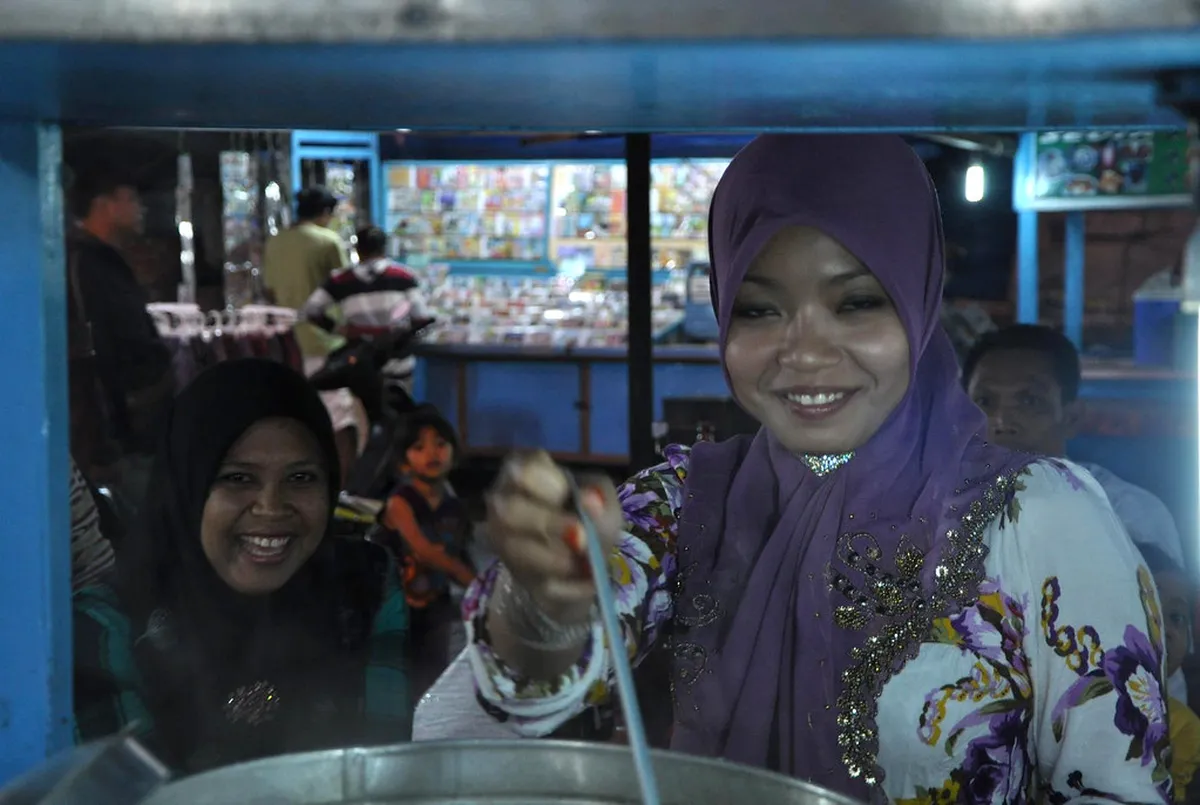
One scene from Sindhu Market sums up the rule: a vendor wiping her board and switching tongs between every order during peak rush. That single habit is worth more than any TripAdvisor rating, and you can spot it in 30 seconds before you order.
10 Best Spots for Bali Street Food Safety (2026)
The ten places below were picked on three criteria: visible cooking, steady local crowds at peak hours, and a track record across multiple visits in 2025–2026. Prices are in USD as a guide; pay in rupiah and carry small bills (5,000–50,000 IDR) since most do not take cards.
- Warung Babi Guling Ibu Oka in Ubud
- The island's most famous suckling pig spot, freshly carved through service hours.
- Plates run $5–$9, open 11:00–18:00 daily; arrive before 12:30 for the crispiest skin and shortest wait.
- Pork is held hot under a heat lamp and re-carved on a clean board for each plate, which is exactly what you want.
- Sindhu Night Market in Sanur
- Sanur's evening market with a clean concrete floor, organised stalls, and a strong local crowd.
- Most dishes cost $1–$4 and stalls run 18:00 until late; aim for 19:00–20:30 when turnover is highest.
- Pick stalls cooking to order and skip the pre-plated trays at the front rows.
- Warung Mak Beng in Sanur
- A 1941 institution by the beach, serving one set: fried fish, fish soup, rice, sambal, and water spinach.
- The set is around $4–$6, open 08:00–22:00 daily; the single-dish menu means absurd turnover and very fresh fish.
- The high turnover here makes the seafood about as safe as street fish gets.
- Gianyar Night Market (Pasar Senggol Gianyar)
- An authentic regional market 30 minutes from Ubud, mostly Balinese diners and almost no tour buses.
- Meals run $2–$5, stalls open from around 17:00; come hungry and graze across three or four stalls.
- The babi guling here is sliced from whole pigs that arrive in the late afternoon, so go between 18:00 and 20:00 for the freshest cut.
- Nasi Ayam Kedewatan Ibu Mangku in Ubud
- A spacious warung specialising in spicy chicken rice with sate lilit, urap, and chicken skin crackers.
- A generous portion is $3–$5, open 08:00–18:00 daily; the courtyard seating gets a constant breeze and food never sits long.
- Ask for the sambal on the side if you have a sensitive stomach — it is genuinely fierce.
- Warung Indonesia in Kuta
- A backpacker favourite with a long buffet line of pre-prepared lauk (side dishes) and rice.
- Plates total $2–$4, open 10:00–23:00; the only safe play here is to point at items that look freshly topped up, not at the trays that have clearly thinned out.
- Hot, just-replenished curries and stir-fries are fine; cold sambal goreng tempe sitting at room temperature for two hours is not.
- Sate Plecing Arjuna in Denpasar
- A specialist satay stall in the capital where every skewer is grilled to order over coconut charcoal.
- A dozen sticks runs $2–$3, open 09:00–19:00 daily; cooked-to-order meat over open flame is the lowest-risk format you can eat from a stall.
- Skip the peanut sauce if you have a nut allergy and ask for plecing (chili-lime) instead.
- Warung Wardani in Denpasar
- One of the cleanest prep areas in the city, famous for nasi campur with a balanced plate of mains.
- A premium set is $4–$7, open 08:00–16:00 daily; this is the right pick for a first-day stomach that is still adjusting.
- The kitchen visibly washes hands between batches and uses separate utensils for raw and cooked items.
- Kuta Night Market (Pasar Senggol Kuta)
- A bustling night market in the south for grilled seafood at backpacker prices.
- Fresh fish sets run $5–$10 and the market peaks 19:00–22:00 daily.
- Pick fish with clear bright eyes and firm flesh, and watch them put it on the grill — never accept a pre-grilled fish that has been sitting under a heat lamp.
- Warung Nasi Campur Ibu Ani in Canggu
- A local-only nasi campur spot away from the cafe strip, busy with construction workers and shop staff at lunch.
- Plates cost $3–$5, open 08:00 until food runs out around 14:00; the early sell-out is a feature, not a bug.
- Arrive by 12:30 — the food turns over fast but it is also gone fast.
Signs of a Safe Warung: The 30-Second Vendor Check
Most cases of Bali Belly come from a small set of fixable mistakes, and you can rule them out before you order. Walk past, scan the stall for 30 seconds, and look for four things: visible cooking, customer flow, food temperature, and how raw and cooked items are kept apart. If any one of those fails, keep walking — Bali has hundreds of stalls within a five-minute scooter ride.
Use this short checklist as you approach a stall:
- Food is being cooked to order over heat (grill, wok, or fryer) rather than scooped from trays that have been sitting out.
- The vendor handles money with one hand and food with the other, or wipes hands between transactions.
- Raw meat and cooked meat are on different boards, with different tongs.
- There is a steady stream of locals — not just tourists — eating at peak meal times.
- Pre-cooked items in the lauk display are kept hot, on ice, or under a fan to keep flies off.
- The kitchen has running water and a wash bucket, even if it looks basic.
Pre-cut fruit platters in plastic wrap, cold rendang at room temperature, and seafood without ice are the three most common red flags. None of those are unique to street food — luxury hotel buffets fail the same checks, just with nicer crockery.
BPOM, PIRT, and the Vendor Certifications Most Tourists Miss
Indonesia runs three formal vendor-hygiene programs that travel guides almost never mention, but you can spot the stickers on warung walls if you know what to look for. Reading them turns "trust your gut" into a quick documentary check, especially in tourist-heavy zones like Kuta, Seminyak, and Ubud where stalls often display them by the cashier.
The three to recognise:
- SLHS (Sertifikat Laik Hygiene Sanitasi) — issued by the local health office (Dinas Kesehatan) to restaurants and warungs that pass a kitchen inspection. A green-bordered certificate, often near the till.
- PIRT (Pangan Industri Rumah Tangga) — for home-industry food products like packaged sambal, kerupuk, or kue. The PIRT number is printed on the label as "P-IRT No. XXXX".
- BPOM (Badan Pengawas Obat dan Makanan) — Indonesia's national food and drug agency. BPOM-registered packaged foods carry a code starting with "BPOM RI MD" or "BPOM RI ML".
None of these guarantee a safe meal on its own, and plenty of safe stalls do not bother with them. But during the post-rainy-season transition (March–May 2026) and the week around Galungan and Kuningan, when many warungs close and reopen with restocked meat, an SLHS-displayed kitchen is meaningfully safer than an unmarked stall serving from week-old supplies.
Street Food Isn't the Enemy: The Real Decision Rules
Avoiding all street food is a worse decision than choosing carefully. The smoky satay carts, freshly grilled corn, and bubur ayam stalls are some of the cheapest, most authentic meals you will eat in Bali — and they are often safer than the lukewarm hotel breakfast buffet. The risk is not "street" versus "restaurant"; it is hot versus warm, and to-order versus pre-cooked.
The rule that beats almost every other heuristic is: eat food that is steaming, served on a clean plate, that you watched go from raw to cooked. Grilled satay, freshly fried martabak, wok-tossed nasi goreng, and fried tempeh straight from the oil are all very low risk. Long-cooked stews like rawon and soto are also fine if the pot is bubbling, not warm.
The harder calls are pre-prepared lauk on the nasi campur counter. The right move is to point only at trays that have been recently topped up, ask for "panas" (hot), and skip anything with raw garnishes you cannot see being washed. Skip beautifully arranged green salads on a beach club menu unless the place explicitly says "filtered water" or "cuci sayur dengan air filter".
Raw or Undercooked Meat, Seafood, and Exotic Ingredients
Certain foods carry a meaningfully higher risk of bacteria, parasites, or viruses when sourced poorly. Raw seafood from unknown beach cafes, oysters from open-air ice trays, and any sashimi that was not flown in same-day belong in the avoid pile. Pork and chicken should be cooked through with no pink interior, and hand-grilled satay should char slightly at the edges.
Lawar, the traditional Balinese mince, is delicious but deserves a question. Lawar merah contains fresh raw blood for colour and flavour; lawar putih is the white version made without blood and is the safer order for travellers. If a vendor cannot tell you which they are serving, default to lawar putih or skip the dish.
Exotic meats — bat (paniki), turtle, and dog meat — appear in some traditional or remote Balinese contexts. Skip them all. Beyond the genuine ethical and conservation concerns (turtle is illegal in Indonesia, dog meat is increasingly banned at the regency level), they come from unregulated supply chains with no temperature control, and zoonotic risk is real. Wild boar (babi hutan) at well-known restaurants is the only "exotic" meat worth considering, and only when it is fully cooked.
Why I Avoid Buffets — Even at Five-Star Resorts
The five-star breakfast buffet is the single biggest hidden risk on a Bali trip, and the food poisoning forums back this up. A sliced papaya tray sitting from 06:30 to 10:00 in 30°C ambient air is exactly the temperature window where bacteria multiply fastest. The pretty linen and ocean view do not change the food-safety physics.
If you have to eat the buffet, the rules narrow. Stick to items that are genuinely hot — eggs cooked to order, fresh-from-the-pan bacon, just-poured congee. Skip pre-cut fruit unless it is sitting on visible ice. Skip yogurt, cold cuts, smoked salmon, mayonnaise-based salads, and anything with raw seafood. Anything that has been "out for a while" — soft cheeses, hummus, pre-dressed greens — is the same gamble in a nicer dress.
The same logic applies to the all-you-can-eat dinner promotions you see in Kuta and Seminyak. Volume incentives push the kitchen to over-prepare, then hold food warm rather than recook it. A five-stall warung serving forty plates per hour to locals is a much safer kitchen than a hotel turning out a hundred buffet covers per service.
Water, Tap Water, and Ice: The Rule That Trips People Up
The most frequent cause of Bali Belly is not the satay; it is the water that touched it. Bali's tap water is not safe to drink, full stop, even at luxury resorts. Brushing your teeth with it, rinsing salad in it, or making ice from it can all cause infection. For a deeper breakdown, see our guide on whether you can drink tap water in Bali.
Ice is the sneakiest entry point. Reputable bars and restaurants use government-certified cylindrical tube ice with a hole through the middle (called "es kristal") made from filtered water at licensed plants. Crushed irregular ice in a small warung or beach shack is more likely to come from frozen tap water in trays. Order drinks "tanpa es" (without ice) when you cannot tell.
The same warning applies to fresh juices and smoothies. The fruit is fine; the rinse water and the unwashed blender jug are not. Fresh young coconut sliced open in front of you with the straw added clean is one of the safest drinks on the island. A pre-blended green smoothie in a beach club where you cannot see the prep area is the opposite.
Early Warning Signs and When to Stop Eating
Catch Bali Belly in the first hour and you can usually contain it. Wait six hours and you have lost half a day; wait two days and you may need a clinic. The early signals are mild bloating, a low rumble, sudden gas, slight nausea, or a weird metallic taste. Take any one of those seriously rather than pushing through.
The right immediate response: stop eating, switch to bottled water with electrolytes (Pocari Sweat, Mizone, or an ORS sachet from any apotek), and rest in shade for an hour. Activated charcoal tablets, available over the counter as Norit, can bind toxins if taken early. Avoid loperamide (Imodium) unless you have a long bus or flight ahead — letting your gut clear itself is usually faster than blocking it.
Escalate to a clinic if you see any of: fever above 38.5°C, blood in stool, severe abdominal pain, inability to keep liquids down for 12 hours, or symptoms lasting more than two days. BIMC Hospital in Kuta and Ubud, Siloam Hospital in Denpasar, and Bali Clinic in Seminyak all handle traveller stomach cases routinely and accept most travel insurance with cashless billing. A consultation typically runs 500,000–1,500,000 IDR (about $32–$95).
Local Remedies: Jamu, Tolak Angin, and Coconut Water
Indonesia has a deep apothecary tradition, and several local remedies actually do help with mild stomach trouble. They are not a substitute for medical care when symptoms are serious, but they are worth knowing for the early-rumble stage when you want to head off a bad night.
Three are easy to find in any minimart or apotek across Bali:
- Jamu kunyit asam — a turmeric-tamarind tonic sold in 250 ml bottles for around 8,000–15,000 IDR. The curcumin is anti-inflammatory and many travellers swear by a daily shot as gut maintenance.
- Tolak Angin — a herbal sachet that tastes faintly of menthol and ginger, around 4,000 IDR per sachet. Used locally for "masuk angin" (a catch-all for nausea, mild stomach upset, and post-flight queasiness).
- Coconut water (kelapa muda) — the cheapest and most effective rehydration drink on the island. One coconut delivers more potassium than a sports drink and replaces electrolytes lost to mild diarrhoea.
Pair these with the basics: bottled water, rest, and electrolyte sachets. None of them treat infection, but for the "I ate something a little off" zone, they are often what locals reach for first.
Long-Term Travelers: The Slow-Burn Belly Problem
If you are staying in Bali for more than three weeks, the risk profile changes. Acute Bali Belly fades, but a different pattern emerges — chronic mild bloating, irregular bowel movements, fatigue without a clear cause, and gas that nobody warned you about. Digital nomads on three-month stints in Canggu and Ubud talk about this constantly, and it is not in the short-trip travel guides.
Two culprits drive most slow-burn cases. The first is low-level tap-water exposure: brushing teeth with the wrong tap, swallowing shower water, eating at one warung daily where ice or rinse water is suspect. The second is a Giardia or Blastocystis colonisation that never escalates to acute illness but quietly disrupts digestion for weeks.
The fix is medical, not dietary. Any clinic in tourist Bali will run a stool panel for around 350,000–600,000 IDR (about $22–$38) and can prescribe a 5-day course of metronidazole if needed. Rotating probiotic strains (Saccharomyces boulardii alongside lactobacillus blends) and resetting your water hygiene at home — including the bottle you brush your teeth with — are the prevention plays.
Hands, Shared Kitchens, and Personal Hygiene
Many infections trace back not to the food but to the hands that put it in your mouth. Between scooter handlebars, ATM keypads, sweaty rupiah bills, beach sand, and the dog you petted at the warung, your fingers pick up a lot in a typical Bali day. Carry a small bottle of hand sanitiser and use it before every meal. Pack travel wipes for the public restrooms that lack soap.
If you are in shared accommodation — a hostel, a co-living, an Airbnb with strangers — treat the communal kitchen as higher-risk than the warung down the street. Community fridges are rarely cold enough, sponges harbour bacteria, and the unlabelled ketchup bottle has been there longer than you have. Your own utensils, sealed leftovers, and a small thermos bag for takeaway will save you more upset stomachs than any pharmacy stash.
For the personal kit, our Bali packing list 2026 covers the medical basics: ORS sachets, charcoal tablets, hand sanitiser, and a small thermometer. Add a probiotic course you start a week before flying — Saccharomyces boulardii is heat-stable and travels without refrigeration.
Family-Friendly and Budget-Friendly Options in Bali
Travelling with kids tightens the safety margin. Stick to mild dishes — sate ayam with peanut sauce on the side, nasi goreng without sambal, mie goreng, fried tempeh, plain steamed rice — and ask the vendor to skip the chili ("tidak pedas, please"). Avoid raw garnishes and pre-cut fruit; whole peelable fruit like rambutan, mangosteen, and bananas is the safe sweet course.
For the wallet, Bali still delivers. A family of four can eat well at warungs and night markets for $20–$30 per day, leaving room for the bigger experiences. Our Bali on a budget complete guide has the full cost breakdown and the warung circuits that work well with children.
Carry sealed bottled water and check that ice is the cylindrical tube type before letting kids order drinks. If your child has any allergies, learn the Bahasa words: "tidak boleh" (cannot have), "kacang" (peanut), "udang" (shrimp), "telur" (egg), "susu" (milk). Most warung staff in tourist areas understand basic English, but the local words remove ambiguity.
The Pre-Trip and First-Day Checklist
A safer week starts before you land. In the seven days before flying, take a daily probiotic, avoid unnecessary antibiotics, and eat normally — there is no benefit to pre-loading on bland food. On the flight, hydrate aggressively; cabin air dries the gut lining and a dehydrated stomach handles new bacteria worse.
On day one in Bali, ease in. Eat your biggest meal at lunch when food is at peak freshness, not at a 22:00 night-market grill rush. Avoid common Bali first-time visitor mistakes like pairing a sambal-heavy dinner with three bottles of Bintang on jet lag. Order one warung dish you know (nasi goreng, mie ayam, gado-gado), test your stomach for 12 hours, then expand.
For the rest of the week, plan your heaviest meals between 11:00 and 14:00, when warungs are mid-cycle and food has not been sitting. Late dinners at small stalls are the riskiest slot — by 21:00, smaller warungs are serving the morning's prep. Carry your hygiene kit, drink only sealed bottled water, and trust the 30-second vendor check more than any review site.
Frequently Asked Questions
Is it safe to drink beverages with ice in Bali?
Most established restaurants and tourist-facing street stalls use government-regulated, purified ice cubes. These are usually identifiable by their uniform cylindrical shape with a hole in the middle. If the ice looks like large, irregular crushed blocks, it may be from an unfiltered source and should be avoided.
What are the early symptoms of Bali Belly?
Common early signs include stomach cramps, nausea, and a general feeling of lethargy or bloating. You might also experience a low-grade fever or sudden loss of appetite. It is important to stay hydrated and rest as soon as these symptoms appear to prevent them from worsening.
Should I avoid all street food to stay safe?
Avoiding all street food is unnecessary and will cause you to miss out on authentic Balinese culture. Instead, focus on stalls with high turnover and visible cooking processes. Following our bali tourist scams to avoid guide will also help you navigate the markets with more confidence.
Bali street food safety comes down to a few honest habits: cook to order, hot food hot, sealed water, and a vendor whose hands you would trust around your own kitchen. The ten spots above are reliable starting points, but the rules above them are what keep you well for the rest of the trip.
Whether you are eating at a famous warung in Ubud or a tucked-away night-market stall in Denpasar, trust your eyes more than the price tag. Bali's culinary scene in 2026 is one of the best reasons to visit the island — go in with the playbook, eat widely, and Selamat Makan.