
18 Tokyo Travel Hacks: Save Money in Japan's Most Expensive City (2026)
18 Tokyo travel hacks to save money in 2026. Insider tips on JR Pass alternatives, konbini meals, capsule hotels, tax-free shopping, free attractions, and more. Save $800+ per week.
On this page
Tokyo has a reputation as one of the world's most expensive cities, and in 2026, with the yen holding relatively weak against the dollar and euro, that reputation is only half-true. The city is expensive if you approach it like a Western capital — taxis, sit-down restaurants, international hotel chains. But Tokyo also has an infrastructure of affordability that no other major city matches: 24-hour convenience stores serving restaurant-quality meals for $3, a metro system where you can cross the entire city for $2, and capsule hotels that cost less than a hostel dorm in Paris.
These 18 hacks are the specific tactics that separate the traveler who spends $250/day in Tokyo from the one who spends $80/day — without missing any of the experiences that make the city extraordinary. Each hack includes a concrete tactic and an estimated savings figure. A week in Tokyo using these strategies will save you $800 or more compared to the default tourist approach.
The Numbers at a Glance: Tourist vs. Hacked Daily Budget
| Category | Typical Tourist | Hacked Budget | Daily Savings |
|---|---|---|---|
| Accommodation | Business/chain hotel: 12,000-20,000 yen ($80-$133) | Capsule hotel or budget business hotel: 3,000-7,000 yen ($20-$47) | $50-$90 |
| Breakfast | Hotel or cafe: 800-1,500 yen ($5.30-$10) | Konbini onigiri + egg + coffee: 350 yen ($2.30) | $3-$8 |
| Lunch | Tourist restaurant: 2,000-3,500 yen ($13-$23) | Lunch set (teishoku): 900-1,500 yen ($6-$10) | $7-$13 |
| Dinner | Sit-down restaurant: 3,000-5,000 yen ($20-$33) | Kaiten-zushi or depachika markdown: 1,000-1,500 yen ($6.70-$10) | $10-$23 |
| Transit | IC card pay-per-ride: 1,000-1,500 yen ($6.70-$10) | 24-hour subway pass: 800 yen ($5.30) | $1.40-$4.70 |
| Sightseeing | Paid attractions + observation decks: 2,000-4,000 yen ($13-$27) | Free loop (shrines, markets, parks, TMG deck): 0 yen ($0) | $13-$27 |
| Drinks/Nightlife | Bar hopping in Roppongi: 3,000-5,000 yen ($20-$33) | Tachinomiya + one Golden Gai bar: 800-1,500 yen ($5.30-$10) | $10-$23 |
| Daily Total | 23,800-40,500 yen ($159-$270) | 6,850-12,650 yen ($46-$84) | $95-$186 |
| 7-Day Total | $1,113-$1,890 | $322-$588 | $665-$1,302 |
Those are not hypothetical numbers — they are built from the real 2026 prices you will see below. Every hack in this guide maps to a line in that table. Let us break them down.
Transportation Hacks
1. Narita to Central Tokyo: Skip the Express, Take the Access Express
Most first-time visitors to Tokyo default to the Narita Express (N'EX) at around 3,250 yen ($22) one-way to reach central Tokyo. The Keisei Access Express runs the same Narita-to-central-Tokyo route for 1,270 yen ($8.50), taking about 55 minutes to Asakusa or Nihombashi — only 15-20 minutes longer than the N'EX. From Haneda Airport, the Tokyo Monorail to Hamamatsucho station costs just 500 yen ($3.30) and connects to the JR Yamanote line. If you land at Haneda, the Keikyu line to Shinagawa is similarly cheap at 300 yen ($2).
The Hack: From Narita, take the Keisei Access Express (not the Skyliner, which costs 2,520 yen). It departs from the same Keisei platform. From Haneda, take the Keikyu line or Monorail — both put you on the JR network within 20 minutes. Avoid airport limousine buses ($25+) and absolutely never take a taxi from Narita (easily $200+).
Expected Savings: $13-$27 per person each way vs. Narita Express, or $26-$54 round trip.
2. The IC Card vs. Day Pass Decision Matrix
Tokyo's transit system is split across multiple operators — JR East, Tokyo Metro, Toei Subway, and private railways — and no single pass covers everything. The Tokyo Subway Ticket covers all Tokyo Metro and Toei lines and comes in three durations: 24-hour at 800 yen ($5.30), 48-hour at 1,200 yen ($8), and 72-hour at 1,500 yen ($10). These passes are only available to visitors (not Tokyo residents), so grab yours at Narita, Haneda, or a BIC Camera. An IC card (Suica or Pasmo) works everywhere but charges per ride with no daily cap. The Welcome Suica — designed for tourists — costs 1,000-10,000 yen with no refundable deposit, is valid for 28 days, and works on Apple Wallet. The average tourist takes 4-6 metro rides per day at 170-250 yen each, totaling 800-1,400 yen ($5.30-$9.30).
The Hack: Buy a 72-hour subway ticket for your intensive sightseeing days, and load a Welcome Suica for days when you will only take 2-3 rides or need JR lines. You can hold both simultaneously. The 24-hour ticket pays for itself after just 4 metro rides; the 72-hour pass is profitable after 3 rides per day. For day trips outside Tokyo (Kamakura, Nikko, Hakone), buy route-specific discount passes sold at major stations rather than relying on IC card fares.
Expected Savings: $2-$5 per day on transit, or $14-$35 per week.
3. The JR Pass Reality Check for Tokyo-Only Trips
The Japan Rail Pass underwent a significant price increase in late 2023, and the 7-day ordinary pass now costs 50,000 yen ($333) in 2026. If your trip is primarily Tokyo-based with one or two day trips, the JR Pass almost never pays for itself. A round-trip Shinkansen to Kyoto costs about 27,000-28,000 yen ($180-$187) — you would need several more long-distance JR rides to justify the pass. For Tokyo-only travel, JR lines are only one part of the metro network, and the subway ticket hack above covers most tourist routes more cheaply.
The Hack: Calculate your specific JR rides before buying. The JR Pass only makes sense in 2026 if you are taking 3+ long-distance Shinkansen trips within 7 days (e.g., Tokyo-Kyoto-Hiroshima-Osaka). For Tokyo plus one side trip, buy individual Shinkansen tickets and use the subway pass locally. Check our flight hacks guide for cheap domestic flights that sometimes beat Shinkansen prices on routes like Tokyo-Osaka.
Expected Savings: $100-$150 by not buying an unnecessary JR Pass.
4. The Last Train Hack
Tokyo's metro stops running between midnight and 5 AM. Miss the last train and you are looking at a taxi fare of 3,000-8,000 yen ($20-$53) depending on distance. Every experienced Tokyo traveler knows to check the last train time for their line — typically between 11:30 PM and 12:15 AM. But the real hack is what happens when you are out late in areas like Shibuya, Shinjuku, or Roppongi and the last train has already left.
The Hack: If you miss the last train, head to a manga cafe (manga kissa) or internet cafe like Bagus or DiCE. A private booth with a reclining seat, blankets, free drinks, and shower access costs 1,500-2,500 yen ($10-$17) for an overnight stay — a fraction of a taxi fare and arguably more comfortable than a cramped cab ride. Many karaoke chains also offer overnight "free time" packages for 1,000-2,000 yen that last until the first morning train.
Expected Savings: $15-$40 per late night vs. taxi.
Food Hacks
5. The Konbini Meal Strategy
Japanese convenience stores — konbini — are nothing like their Western counterparts. 7-Eleven, Lawson, and FamilyMart in Tokyo serve fresh onigiri (rice balls) for 130-180 yen ($0.85-$1.20), bento boxes for 400-700 yen ($2.70-$4.70), and hot items like karaage (fried chicken) for 200-300 yen ($1.30-$2). The quality rivals many sit-down restaurants. A full konbini breakfast of onigiri, a boiled egg, and a can of coffee runs about 380 yen ($2.50). Compare that to a cafe breakfast of 800-1,200 yen ($5.30-$8). Vending machine drinks — another Japanese institution — cost just 100-150 yen ($0.67-$1) for hot or cold coffee, tea, and juice.
The Hack: Make konbini your default breakfast and at least one other meal per day. Visit after 7 PM for discounted items marked with yellow stickers (up to 30% off bento and sandwiches nearing sell-by). Lawson's "Machicafe" coffee is 110 yen ($0.73) and competitive with Starbucks, which charges 420 yen ($2.80) for a comparable drink. FamilyMart's "Famichiki" fried chicken at 220 yen ($1.47) is a cult favorite — better than most fast food and a third of the price.
Expected Savings: $8-$15 per day vs. eating every meal at restaurants.
6. Lunch Sets: The Best Deal in Japanese Dining
This is the single most important food hack in Tokyo. Nearly every restaurant in the city — from ramen shops to high-end sushi counters — offers a lunch set (teishoku or ranchi setto) that costs 30-50% less than the same food at dinner. A sushi lunch set at a mid-range restaurant runs 1,200-1,800 yen ($8-$12) for 8-10 pieces plus miso soup and salad. The same quality at dinner: 3,000-5,000 yen ($20-$33). A basic ramen bowl costs 800-1,000 yen ($5.30-$6.70), and lunch sets that add gyoza and rice run 900-1,200 yen ($6-$8). Gyudon (beef bowl) chains like Yoshinoya and Matsuya serve a filling lunch for just 400-600 yen ($2.70-$4).
The Hack: Front-load your best restaurant meals to lunch. Eat your most expensive cuisine — sushi, tempura, tonkatsu, wagyu — between 11 AM and 2 PM. Many restaurants display plastic food models and lunch set prices outside, making comparison shopping easy. Dinner can be a lighter konbini or standing bar meal.
Expected Savings: $10-$20 per day by shifting your main restaurant meal to lunch.
7. Conveyor Belt Sushi (Kaiten-zushi)
Conveyor belt sushi chains like Sushiro, Kura Sushi, and Hamazushi serve plates starting at 110-150 yen ($0.73-$1) per plate (two pieces), with premium plates at 330 yen ($2.20). The quality at Japanese kaiten-zushi is genuinely good — the fish is fresh, the rice is properly seasoned, and the variety is enormous. A satisfying meal of 8-10 plates plus miso soup costs 1,200-1,800 yen ($8-$12). Compare that to a standard sushi restaurant where a comparable meal runs 3,000-5,000 yen ($20-$33).
The Hack: Use the touchscreen ordering system rather than grabbing plates off the belt — the made-to-order pieces are fresher. Visit during off-peak hours (2-5 PM) to avoid the 30-60 minute waits common at dinner time. Sushiro's app lets you join the queue remotely before arriving. Kura Sushi has a gamified plate-return system where every five plates gives you a chance to win a capsule toy — free entertainment with your meal.
Expected Savings: $10-$23 per sushi meal vs. a standard sushi restaurant.
8. Depachika: Department Store Basement Food Halls
The basement floors of Japanese department stores (Takashimaya, Isetan, Mitsukoshi, Daimaru) contain elaborate food halls called depachika, selling everything from wagyu beef croquettes to matcha pastries, fresh sashimi packs, and artisan bento. During regular hours, prices are premium — but the real hack is timing.
The Hack: Arrive 30-60 minutes before closing time (usually 7:30-8 PM). Vendors slash prices by 30-50% on prepared foods, sashimi, and bento to avoid waste. A 2,000-yen sashimi platter drops to 1,000-1,400 yen. A high-quality wagyu bento marked down from 1,500 yen to 900 yen is one of the best meals you will eat in Tokyo for under $6. The Isetan Shinjuku and Daimaru Tokyo Station depachika are the best for variety and markdowns.
Expected Savings: $5-$10 per depachika visit vs. full-price prepared foods.
9. Standing Bars (Tachinomiya) and Izakaya Drink Deals
Standing bars — tachinomiya — are scattered throughout Tokyo's entertainment districts and serve drinks for 200-400 yen ($1.30-$2.70) with small food plates for 300-500 yen ($2-$3.30). They have no seating charge (many sit-down izakayas add a 300-500 yen "otoshi" cover charge per person). For a fuller evening out, look for izakayas advertising "nomihoudai" (all-you-can-drink) deals, typically 1,500-2,500 yen ($10-$17) for 90-120 minutes of unlimited beer, highballs, shochu, and sometimes sake.
The Hack: Start your evening at a tachinomiya for 2-3 cheap drinks and snacks (total: 800-1,200 yen / $5.30-$8). If you want to continue, look for nomihoudai at chain izakayas like Torikizoku (which also sells all food items at 350 yen) or Kin no Kura. Skip cocktail bars in Roppongi and Ginza where a single drink costs 1,200-2,000 yen ($8-$13).
Expected Savings: $15-$30 per night out vs. standard bar hopping.
Accommodation Hacks
10. Capsule Hotels: Better Than You Think
Modern capsule hotels in Tokyo have evolved far beyond the cramped pods of the 1980s. Chains like Nine Hours, First Cabin, and The Millennials offer pods with climate control, USB charging, privacy curtains, and shared lounge areas. Basic capsules cost 3,000-5,000 yen ($20-$33) per night, and premium capsule hotels with larger pods and better amenities run 4,500-7,000 yen ($30-$47) in central locations like Shinjuku and Shibuya. Compare that to business hotels at 7,000-15,000 yen ($47-$100) or hostels at 2,500-5,000 yen ($17-$33) for a dorm bed with less privacy.
The Hack: Book capsule hotels for solo travelers who want a central location without paying business hotel prices. Nine Hours in Shinjuku and Akasaka are consistently well-reviewed. Many capsule hotels include onsen-style baths and sauna access — amenities that would cost extra at other accommodation types. Book directly through the hotel's website for the best rate; Booking.com prices are often 10-20% higher.
Expected Savings: $20-$70 per night vs. business hotels in the same area.
11. Business Hotel Sweet Spots
Japanese business hotels (Toyoko Inn, APA Hotel, Dormy Inn, Super Hotel) are the underappreciated middle ground between hostels and international chains. Rooms are compact but spotlessly clean, with en-suite bathrooms, free Wi-Fi, and often a complimentary Japanese breakfast. Prices run 5,000-9,000 yen ($33-$60) per night — though some budget properties in Ueno or Asakusa dip as low as 4,500 yen ($30). Dormy Inn includes free evening ramen (yes, free ramen at 9:30 PM) and a natural hot spring bath at most locations. Toyoko Inn includes breakfast at every property.
The Hack: Book Toyoko Inn or Super Hotel for the included breakfast (saving $5-$8/day). Book Dormy Inn if you value the onsen bath and late-night ramen. For the best rates, join the hotel chain's loyalty program (free) and book directly. Stay in areas like Ueno, Asakusa, or Ikebukuro instead of Shinjuku or Shibuya — business hotels there run 20-30% cheaper and are still well-connected by metro. Check our hotel hacks guide for general strategies on getting the best rates.
Expected Savings: $30-$80 per night vs. international chain hotels, plus $5-$8/day on included breakfast.
12. The Love Hotel Hack for Couples
Love hotels — designed for privacy-seeking couples — are a genuine budget accommodation hack that most travel guides gloss over. In 2026, a "stay" (overnight, typically check-in after 10 PM, checkout by 10-11 AM) at a love hotel in Shibuya, Shinjuku, or Ikebukuro costs 6,000-10,000 yen ($40-$67) for two people. The rooms are almost always larger than standard hotel rooms, often include jacuzzi tubs, large-screen TVs, and elaborate decor. Compared to booking two capsule hotel pods or a standard double at a business hotel, the per-person cost is competitive or cheaper.
The Hack: Book the "stay" (overnight) rate, not the "rest" (short stay) rate. Check in after 10 PM — earlier check-ins cost more. Weeknight rates are 20-40% lower than Friday and Saturday. Booking via the Happy Hotel or Couples.jp apps shows photos, prices, and real-time vacancy. Areas like Kabukicho (Shinjuku) and Dogenzaka (Shibuya) have the highest density of options.
Expected Savings: $15-$50 per night for couples vs. two separate bookings or a standard double room.
Shopping Hacks
13. Tax-Free Shopping: The 5,000-Yen Threshold
Foreign tourists in Japan can claim a tax refund of 10% (the consumption tax) on purchases of 5,000 yen ($33) or more at participating stores — and this covers almost everything from electronics to clothing to cosmetics. The refund is processed immediately at the point of sale (no airport paperwork). In 2026, the process requires showing your passport; the refund is applied as a discount on the spot. Department stores, electronics chains like Bic Camera and Yodobashi Camera, and drugstores like Matsumoto Kiyoshi all participate.
The Hack: Consolidate your shopping to hit the 5,000-yen threshold in a single transaction at one store. If you need toiletries and snacks, buy them all at one Matsumoto Kiyoshi visit rather than spreading purchases across multiple stores. At Don Quijote (Donki), the tax-free counter processes everything from food to electronics. Combine the tax-free discount with the Bic Camera tourist coupon (an additional 7% off) for a total of 17% savings on electronics.
Expected Savings: 10% on qualifying purchases — $10-$50+ depending on your shopping volume.
14. Don Quijote and 100-Yen Shop Strategy
Don Quijote (Donki) is a 24-hour discount chain that sells everything at 10-30% below standard retail. The Mega Donki in Shibuya and the Shinjuku Kabukicho branch are the largest in central Tokyo. For everyday items, souvenirs, and snacks, Donki prices consistently beat convenience stores and specialty shops. But the real budget hack for travelers is the 100-yen shop — Daiso, Seria, and Can Do are the major chains. These stores sell travel essentials (adapters, bags, stationery, kitchenware, phone accessories) for 100 yen ($0.67) each.
The Hack: Hit a 100-yen shop on your first day for any travel accessories you did not pack — umbrellas, reusable bags, chopsticks, laundry nets, compression bags, phone stands, and even basic toiletries. The Daiso in Harajuku (Takeshita Street) and the one in Asakusa are large multi-floor stores with enormous variety. For souvenirs, Donki and 100-yen shops sell Japanese snack packs, stationery, and small gifts for a fraction of airport or tourist-area prices. See our packing hacks guide for what to leave at home and buy on arrival.
Expected Savings: $20-$60 per trip on travel accessories and souvenirs.
15. Secondhand and Vintage Stores
Tokyo's secondhand market is world-class. Stores like 2nd Street, Book Off, Hard Off, and Treasure Factory sell used clothing, electronics, books, and home goods in excellent condition at 50-80% below retail. For fashion, Shimokitazawa and Koenji are the vintage clothing districts, where curated secondhand shops sell Japanese and international brands for 500-3,000 yen ($3.30-$20) per item. Book Off sells used manga, video games, and electronics — a used Nintendo Switch game that costs $40 new sells for $15-$20.
The Hack: Visit 2nd Street or Treasure Factory for high-quality secondhand Japanese fashion brands (Uniqlo, Comme des Garcons, Visvim) at steep discounts. Hard Off is the go-to for used electronics, cameras, and musical instruments. If you are a collector, Nakano Broadway and Akihabara's Mandarake stores sell secondhand anime, manga, and collectibles at prices well below eBay international listings.
Expected Savings: 50-80% off retail on clothing, electronics, and collectibles.
Attractions and Sightseeing Hacks
16. The Free Tokyo Loop
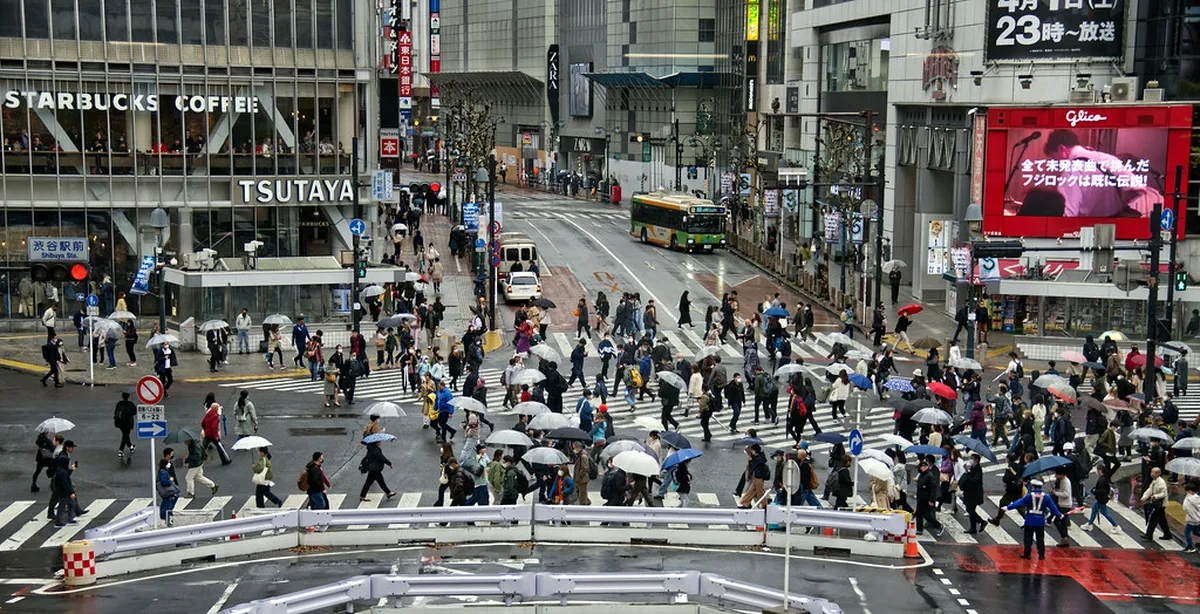
Many of Tokyo's best attractions cost nothing. Meiji Shrine (free, though the inner garden is 500 yen), Senso-ji Temple (free), and the Imperial Palace East Gardens (free) are all open to visitors without charge. Harajuku's Takeshita Street, the Tsukiji Outer Market (still operational for street food and shops after the wholesale market moved to Toyosu), Shibuya Crossing, the Akihabara electronics district, and Yanaka's old-town streets are all free to explore. The Tokyo Metropolitan Government Building in Shinjuku offers a free observation deck with panoramic views — a genuine alternative to the Tokyo Skytree observation deck at 2,100-2,400 yen ($14-$16) for the Tembo Deck alone, or up to 3,400 yen ($23) if you add the Tembo Galleria at 450 meters.
The Hack: Build at least 2-3 full days around free attractions. A strong free itinerary: Morning at Tsukiji Outer Market for street food breakfast (cheap, not free, but the market itself is free to walk), then Senso-ji and Asakusa exploration, Ueno Park (with free-to-enter shrines and gardens), and evening at the Shinjuku observation deck for sunset views. Pair free sightseeing days with the 24-hour subway pass (800 yen / $5.30) and your total spend for a full day of top-tier sightseeing is under $18 including transit and a konbini lunch.
Expected Savings: $14-$50 per day vs. paid observation decks and ticketed attractions.
17. Tsukiji and Toyosu Market Timing
The Toyosu Fish Market (the wholesale replacement for the old Tsukiji inner market) offers a visitor gallery where you can watch the tuna auctions and market operations for free — but only if you arrive early. The visitor area opens at 5:00 AM, and the most interesting market activity happens between 5:00 and 7:00 AM. By 9:00 AM, the wholesale floor is winding down. Meanwhile, the Tsukiji Outer Market (the street food and retail area that remained in the original location) is best visited between 7:00 and 10:00 AM, when stalls are freshly stocked and lines are manageable. By noon, popular stalls like Tsukiji Yamazaki and tamagoyaki vendors have 30-45 minute waits.
The Hack: Visit Toyosu at 5:00 AM for the free auction viewing, then head to Tsukiji Outer Market by 7:30 AM for fresh street food breakfast. This two-market morning is free to enter and gives you the full Tokyo seafood experience. Street food at Tsukiji runs 200-500 yen ($1.30-$3.30) per item — a full tasting breakfast of grilled scallops, tamago, fresh tuna skewers, and mochi costs about 1,500 yen ($10).
Expected Savings: Free entry to both markets; breakfast costs $10 vs. $20-$30 at a tourist-oriented seafood restaurant.
Nightlife and Entertainment Hacks
Karaoke Pricing and Golden Gai Etiquette
Karaoke is cheaper than most visitors expect, especially during off-peak hours. Chains like Big Echo, Joysound, and Karaoke Kan offer daytime and weekday rates of 160-340 yen ($1.07-$2.27) per person per 30 minutes, including a free drink. Evening and weekend rates jump to 450-750 yen ($3-$5) per 30 minutes. The nomihoudai (all-you-can-drink) karaoke packages — typically 2,000-3,000 yen ($13-$20) per person for 2-3 hours of singing plus unlimited drinks — are the best value if your group plans a full evening.
Golden Gai in Shinjuku is a famous cluster of over 200 tiny bars, each seating 5-10 people. Many bars charge a cover (500-1,500 yen / $3.30-$10) and drinks run 700-1,200 yen ($4.70-$8). The experience is genuinely unique, but it can get expensive if you bar-hop without checking cover charges first. Some bars are tourist-friendly and clearly post their prices; others are regulars-only.
The Hack: For karaoke, book weekday afternoon "free time" packages (unlimited time for a flat rate, often 1,000-1,500 yen / $6.70-$10 for 3+ hours). For Golden Gai, choose bars with posted English menus and cover charge signs. Limit yourself to 2-3 bars maximum per visit. Better yet, start your night at a nearby tachinomiya (standing bar) where drinks are half the price, then visit one Golden Gai bar for the experience.
Expected Savings: $10-$25 per evening with strategic karaoke and bar timing.
Connectivity Hacks
18. eSIM vs. Pocket WiFi vs. Free WiFi
Staying connected in Tokyo is essential for navigation (Google Maps and the Navitime app are lifesavers for the metro system), translation (Google Translate's camera mode reads Japanese menus and signs), and finding your way to specific restaurants and shops in a city where street addresses are notoriously confusing. You have three main options in 2026:
- eSIM (best for most travelers): Providers like Ubigi, Airalo, and Mobal offer Japan eSIMs starting at $5-$8 for 1 GB and $15-$25 for 5-10 GB over 7-30 days. Activate before you land, and you have data the moment you step off the plane. No pickup, no return, no deposit. Works in any eSIM-compatible phone (most phones from 2020 onward).
- Pocket WiFi ($4-$8/day): Rental devices from Japan Wireless, WiFi Rental Store, or Ninja WiFi provide unlimited data and connect multiple devices. Pick up at the airport, return by mail or at the airport. Best for groups or heavy data users, but requires carrying an extra device and keeping it charged.
- Free WiFi: Tokyo's free WiFi coverage has improved significantly. All metro stations, most convenience stores, Starbucks, and many shopping areas offer free WiFi. The Japan Wi-Fi app consolidates access to multiple free networks. Usable for occasional checks but too unreliable for navigation.
The Hack: For most solo travelers, an eSIM is the clear winner — $15-$20 for a week of data with zero logistics. For couples or groups, one pocket WiFi device splits to $2-$4/person/day and provides unlimited data for everyone. Download offline Google Maps of the Greater Tokyo area before departure as a backup — it works without data for basic navigation. Check our budget travel hacks guide for more connectivity strategies that work worldwide.
Expected Savings: $20-$40 per week with eSIM vs. hotel WiFi rental or international roaming.
Putting It All Together: A Sample Budget Day in Tokyo
Here is what a full day in Tokyo looks like when you stack these hacks:
- Breakfast: Konbini onigiri, egg, and canned coffee — 380 yen ($2.50)
- Transit: 24-hour subway pass — 800 yen ($5.30)
- Morning: Free visit to Senso-ji Temple and Asakusa area
- Lunch: Ramen with gyoza lunch set — 1,000 yen ($6.70)
- Afternoon: Free Meiji Shrine visit, Harajuku street exploration
- Snack: Depachika samples and one marked-down pastry — 300 yen ($2)
- Dinner: Conveyor belt sushi (8 plates + miso) — 1,300 yen ($8.70)
- Evening: Standing bar drinks and snacks — 900 yen ($6)
- Total: 4,680 yen ($31.20) for a packed day of world-class sightseeing, three solid meals, transit, and evening drinks.
Compare that to the typical tourist who eats at hotel restaurants, takes taxis, and pays for every observation deck: 24,000-36,000 yen ($160-$240) for the same day. That is the power of stacking Tokyo travel hacks. You are not skipping experiences — you are accessing the same city through the infrastructure that locals use every day. A week of this approach runs about $220-$380 in daily expenses (plus $140-$330 for accommodation), compared to $1,100-$1,900 for the typical tourist approach. Combined with smart accommodation choices and efficient packing, a week in Tokyo is far more affordable than its reputation suggests.
Explore More City Travel Guides
Planning a multi-city trip or comparing destinations? These guides use the same budget-hacking approach:
- Bangkok Travel Hacks — another Asian capital with incredible street food
- Bali Travel Hacks — Southeast Asia on a shoestring budget
- New York Travel Hacks — budget strategies for another major metropolis
- Our airport hacks — navigating Narita and Haneda like a pro
Frequently Asked Questions
How much money do you need per day in Tokyo in 2026?
Budget travelers using the hacks in this guide can expect to spend 10,000-15,000 yen ($65-$100) per day including accommodation, food, transit, and activities. That breaks down to roughly 3,000-5,000 yen ($20-$33) on a capsule or budget business hotel, 2,000-3,000 yen ($13-$20) on food (konbini breakfast, lunch set, kaiten-zushi dinner), 800 yen ($5.30) on a subway day pass, and the rest on snacks, drinks, and the occasional paid attraction. Mid-range travelers spending freely at restaurants and visiting paid attractions typically spend 20,000-35,000 yen ($130-$230) per day. The weak yen in 2026 makes everything 25-30% cheaper for dollar and euro holders compared to five years ago.
Is the Japan Rail Pass worth it for a Tokyo-only trip?
No. The 7-day JR Pass costs 50,000 yen ($333) in 2026, and JR lines cover only a fraction of Tokyo's metro network. The Tokyo Subway 72-Hour Ticket (1,500 yen / $10) combined with a Welcome Suica for occasional JR rides is far cheaper for in-city travel. Even with a round-trip Shinkansen to Kyoto at 27,000-28,000 yen ($180-$187), you would still need over 22,000 yen ($147) in additional JR rides to break even on the pass. The JR Pass only becomes worthwhile if you are taking 3+ Shinkansen trips to cities like Kyoto, Osaka, and Hiroshima within the pass validity period.
What is the cheapest way to get from Narita Airport to central Tokyo?
The Keisei Access Express costs 1,270 yen ($8.50) from Narita to Asakusa or Nihombashi, taking about 55 minutes. This is the best balance of cost and convenience. The absolute cheapest option is the Keisei Main Line local train at 1,050 yen ($7), but it takes 75-80 minutes with more stops. Both are dramatically cheaper than the Narita Express at 3,250 yen ($22) or airport limousine buses at 3,200 yen ($21). From Haneda Airport, the Keikyu line to Shinagawa costs just 300 yen ($2) and takes 15 minutes — one of the best airport-to-city deals in the world.
Are convenience store meals in Tokyo actually good?
Yes — Japanese convenience stores (konbini) are genuinely different from their Western counterparts. 7-Eleven, Lawson, and FamilyMart source from dedicated food production facilities that prepare fresh items daily. Onigiri rice balls (130-180 yen / $0.85-$1.20), egg sandwiches (200-280 yen / $1.33-$1.87), bento boxes (400-700 yen / $2.70-$4.70), and hot snacks like nikuman (meat buns) and karaage (fried chicken) are all high-quality. Many items are developed in collaboration with popular restaurant chains. It is a core part of Japanese food culture, not a compromise — a full day of konbini meals costs under 1,500 yen ($10), less than a single meal at a tourist-oriented restaurant.
What is the best area to stay in Tokyo on a budget?
Asakusa and Ueno offer the best combination of affordable accommodation, central location, and tourist convenience. Business hotels in these areas run 20-30% cheaper than equivalent properties in Shinjuku or Shibuya — expect 4,500-7,000 yen ($30-$47) per night at chains like Toyoko Inn or Super Hotel. Both areas sit on multiple metro lines with direct access to all major tourist districts. Asakusa puts you next to Senso-ji, the Sumida River, and the Skytree area. Ueno offers Ueno Park, Ameyoko market street (great for cheap street food and discount shopping), and easy access to the Shinkansen at Ueno Station. Ikebukuro is another strong budget option — less touristy, with lower hotel prices and excellent transit connections.
How much does a bowl of ramen cost in Tokyo in 2026?
A basic bowl of ramen at a standard ramen shop costs 800-1,000 yen ($5.30-$6.70) in 2026. Popular chains like Ichiran charge around 1,000-1,200 yen ($6.70-$8). Lunch sets that include gyoza dumplings and rice typically run 1,000-1,300 yen ($6.70-$8.70). The cheapest ramen option is the free late-night ramen at Dormy Inn business hotels (included with your stay), or instant ramen from a konbini at 200-300 yen ($1.33-$2). For the best value, hit local neighborhood shops rather than tourist-district locations — the ramen is usually better and 100-200 yen cheaper.