
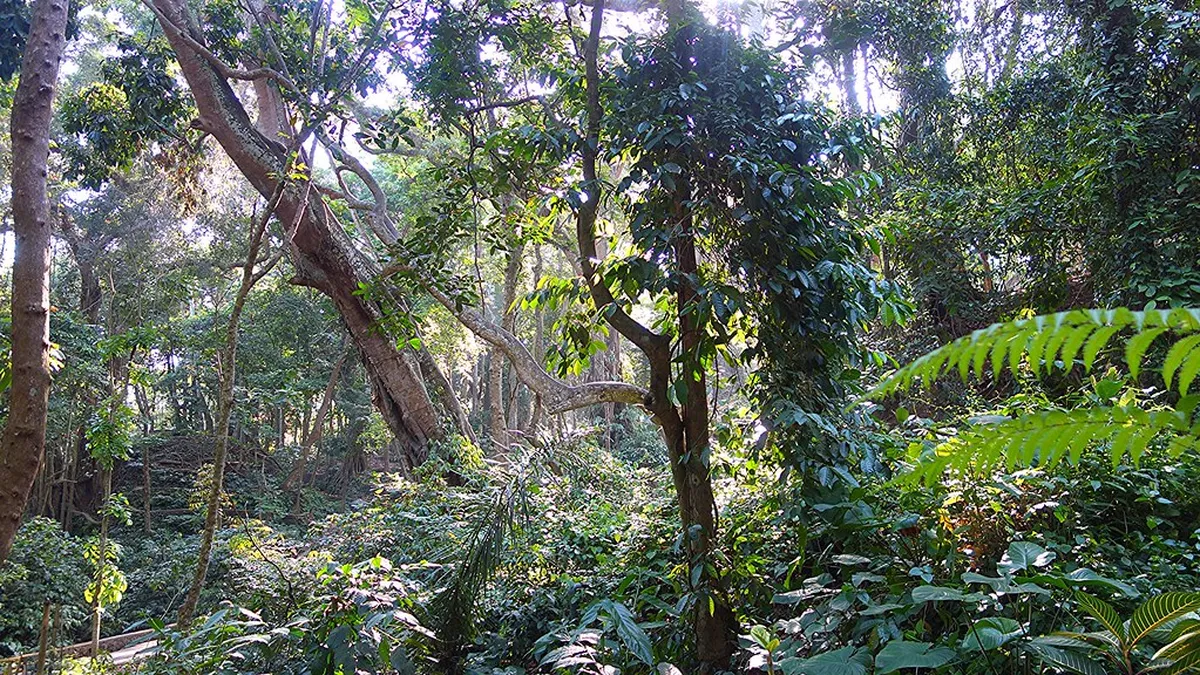
Ubud Essentials Guide
Ubud serves as the cultural heart of Bali and offers a mix of lush jungles and spiritual experiences for every visitor.
This jungle town in the Gianyar Regency attracts millions of travelers who seek peace among the rice paddies and ancient stone temples.
You will find traditional Balinese art sitting right next to modern organic cafes and world-class yoga studios.
Our 2026 guide helps you navigate this vibrant destination with ease while avoiding common tourist pitfalls. For wider context across the island, our pillar Bali Travel Hacks guide pulls together the practical decisions every visitor faces.
Quick Facts for Ubud in 2026
Currency is the Indonesian Rupiah (IDR), with most warungs and small vendors taking cash only. ATMs at Indomaret and major banks dispense IDR 1,250,000 per withdrawal at the time of writing. Tap water is not safe to drink anywhere in Bali, including filtered ice unless served by a reputable cafe with stated UV filtration.
The fastest way to move around the town centre is on foot for short distances, then a Grab car or hotel-arranged driver for anything over a kilometre. Scooter rental sits between IDR 80,000 and IDR 150,000 per day depending on bike condition. The peak hours for traffic on Jalan Raya Ubud are 09:00 to 11:00 and 16:00 to 18:30, when arts-tour buses from Kuta and Sanur arrive and leave.
Sunrise lands roughly at 06:15 and sunset at 18:15 year-round, with very little seasonal shift this close to the equator. The hottest hours are 11:00 to 15:00, when humid temperatures hit 32 degrees Celsius. Plan outdoor activities for early morning or late afternoon, and reserve the midday block for spa, lunch, or shopping under cover.
Essential Travel Tips for Ubud
Preparation is the key to enjoying the unique atmosphere of the Gianyar Regency without unnecessary stress. Most local vendors still prefer cash for small purchases like snacks or handmade souvenirs at the market. You should carry a mix of Indonesian Rupiah and a travel-friendly debit card for larger restaurant bills. Always keep your small notes handy for temple donations or parking fees throughout the day.
Staying hydrated is vital in the tropical heat, but you must never drink the local tap water. Many hotels provide filtered water stations to help guests reduce plastic waste during their stay in Bali. You can find more advice on staying healthy in our bali packing list 2026 for tropical climates. Using a reusable bottle is both eco-friendly and cost-effective for long days of exploring.
Internet connectivity remains quite strong in the town centre, though it may drop off in the deep jungle resorts. Most cafes offer free high-speed Wi-Fi to patrons who are looking to work or share photos online. You might consider purchasing a local SIM card at the airport or a Holafly eSIM before you fly for consistent access to navigation apps. This ensures you can always find your way back to your villa after a long hike.
The weather in Ubud stays humid year-round, with the most rain falling between November and March. Plan your outdoor activities for the early morning to avoid the intense midday sun and heavy afternoon downpours. Light, breathable clothing made of cotton or linen will keep you comfortable while wandering through the humid forest trails. Carrying a light rain poncho in your day bag is a smart move during the shoulder season.
Getting to and Around Ubud
Ubud is roughly 90 minutes by car from Ngurah Rai International Airport (DPS) in normal traffic, and up to 2.5 hours during peak hours. The most reliable transfer is a pre-booked private driver at IDR 350,000 to IDR 500,000 one way; airport taxis at the official kiosk run higher. Once you arrive, navigating the narrow streets requires patience due to heavy afternoon traffic, and walking is often the fastest way between central landmarks like the Royal Palace and the local market.
You will encounter uneven sidewalks, so wearing sturdy sandals or walking shoes is highly recommended. Be mindful of the small daily canang sari offerings placed on the ground outside homes and shops; never step on them. Renting a scooter offers the most freedom for visiting distant waterfalls or the northern rice terraces at your own pace. Local roads can be quite steep and narrow for inexperienced riders, so check our bali transportation guide for legal requirements regarding international driving permits.
Hiring a private driver is a popular and affordable way to see multiple sights in a single day trip. It provides air-conditioned comfort and local insights from a knowledgeable guide, and removes the stress of complex Balinese traffic. Ride-sharing apps such as Grab and Gojek work well for short trips around the outskirts, though some central zones near Monkey Forest Road and the Palace are restricted to support local taxi cooperatives. Compare rates and pickup rules in our guide on grab vs gojek bali.
For a quick comparison: scooter rentals run IDR 80,000 to IDR 150,000 per day and suit solo, confident riders willing to accept a real safety risk on rural roads. Private drivers cost IDR 600,000 to IDR 800,000 for a full eight-hour day, which families and groups split easily across four passengers. Grab and Gojek typically charge IDR 20,000 to IDR 100,000 per ride and work best when you start outside the restricted central blocks.
Hiring a Local Driver: The Trusted Route to Hidden Spots
The single biggest upgrade most first-time visitors miss is hiring a personal driver-guide rather than chaining together Grab rides. A private driver in Ubud is not just a taxi: he plans the day around tide times for waterfalls, knows which back road to skip when a ceremony blocks the main route, and translates with stallholders at the markets. The cost is genuinely modest at IDR 600,000 to IDR 800,000 for ten hours including fuel.
The best drivers come from word-of-mouth referrals, which is why repeat visitors trade WhatsApp numbers in Bali Facebook groups and pass them between friends. One name that surfaces over and over is Hari (you will find him on Instagram via the handle @hari_made_, or message his WhatsApp once recommended by another guest). The reason regulars send each other to Hari and a small handful of similar drivers is consistency: he speaks fluent English, drives a clean MPV, and willingly skips the cookie-cutter Tegallalang/Tirta Empul loop in favour of the lesser-known Tukad Cepung waterfall, Tibumana, or the Sebatu spring temple.
If you cannot get a referral, ask your guesthouse host for their cousin or neighbour rather than booking a sticker-on-the-windscreen driver from the street. Lock in the day rate and the planned stops in WhatsApp messages before you start, agree on whether parking and offering fees are included, and add a 10 to 15 percent tip if the day overruns. A good driver will save you more time over a four-day trip than any other single decision you make in Ubud.
Where to Stay: Best Neighbourhoods and Resorts
Choosing the right neighbourhood in Ubud will significantly affect your daily rhythm and overall budget. Staying in the central grid around Jalan Hanoman, Jalan Dewi Sita, and Jalan Goutama puts you within walking distance of restaurants, Yoga Barn, and the art market. This area suits travellers who want to be in the middle of the action with no need for a scooter. You can find everything from IDR 250,000 guesthouses to boutique hotels in this corridor.
For a more tranquil base, consider the Sayan ridge or the artist village of Penestanan just outside the main hub. Both offer dramatic Ayung River valley views and a quieter pace; most properties run a complimentary shuttle to the centre every hour or so. Nyuh Kuning, just south of Monkey Forest, is the sweet spot for travellers who want jungle calm with a 12-minute walk into town. Browse Trip Advisor's top 10 Ubud hotels to see how each neighbourhood compares.
Luxury seekers tend to weigh COMO Uma Ubud against the Four Seasons Sayan, and the right pick depends on what you want from the trip. COMO Uma sits closer to the centre, runs a strong wellness programme with included yoga and Ayurveda sessions, and suits active travellers who plan to leave the property for hikes and classes. The Four Seasons Sayan, by contrast, leans into ultra-luxury isolation with its iconic lotus-pond entry bridge, three-storey villas, and ARMA-designed grounds; you go there to barely leave the resort. Capella Ubud and Mandapa offer a halfway alternative with tented suites and butler service.
Budget-conscious travellers can find incredible value in family-run guesthouses on the quiet side streets off Jalan Hanoman and behind Monkey Forest. These often include a Balinese breakfast and a warm welcome from hosts who can sort scooter rental or driver introductions. See our tips on where to stay in bali first time for more neighbourhood comparisons. Booking a few months ahead is recommended for the most popular homestays during the July–August and Christmas peaks.
Where to Eat: Warungs, Cafes, and Fine Dining
Ubud's food scene punches far above its size, ranging from IDR 25,000 nasi campur plates at family warungs to multi-course tasting menus that hit IDR 1,500,000 per head. For classic Indonesian flavours, Warung Pulau Kelapa serves consistently good soto ayam in a teakwood pavilion, and Bebek Bengil (the original Dirty Duck Diner) is the go-to for crispy fried duck. Naughty Nuri's draws the lunchtime crowd for sticky pork ribs grilled streetside.
The raw and plant-based scene is genuinely world-class. Alchemy is the standout for build-your-own salad bowls and cold-pressed juices, while Sayuri Healing Food and Moksa Plant-Based Cuisine push the same ingredients into fine-dining territory. Locavore NXT, the reincarnation of the celebrated Locavore, runs an Indonesian-foraged tasting menu that books out a month ahead.
For coffee, Seniman roasts its own beans on Jalan Sriwedari and remains the local benchmark; Anomali and Revolver are reliable second picks. If you want a slow afternoon view, Kaum on Jalan Raya Sanggingan and Sayan Terrace both pair an honest menu with rice-field panoramas. Dinner reservations are essential at the upper end of the market between July and September.
Hiking the Campuhan Ridge Walk
The Campuhan Ridge Walk is a must-do for anyone wanting to see the natural beauty of the region with minimal effort. This paved trail winds along a scenic ridge between two river valleys with panoramic views of the jungle. It is an easy hike that does not require specialist gear or high fitness, and most visitors finish the full out-and-back in 60 to 90 minutes.
Timing matters because the trail offers very little shade. Arriving by 06:30 gives you the coolest temperatures and the best golden light for photography. Late afternoon (16:30 onwards) is the second-best slot but expect heavier foot traffic. Avoid 11:00 to 15:00, when the stone path heats up and the open ridge has nowhere to escape the sun.
You will find several charming cafes at the far end of the ridge where you can rest. Karsa Cafe is the local favourite for fresh coconuts overlooking lotus ponds and rice fields, and acts as a natural turnaround point. From Karsa you can either walk back the way you came or grab a Grab from the village road behind the cafe.
The trail entrance sits next to Warwick Ibah Luxury Villas; look for signs to "Gunung Lebah Temple" to find the start. Entry is free and the path is well maintained, though stones can be slippery during the rainy season. It remains one of the most accessible ways to experience the famous greenery of Bali without booking a tour or hiring a driver.
Sunrise Trekking at Mount Batur
Climbing Mount Batur for sunrise is a bucket-list day for many visitors based in Ubud. This active volcano offers breathtaking views over Lake Batur and the neighbouring peaks of Mount Abang and Mount Agung. The hike is moderately challenging and takes about two hours of solid climbing to the 1,717-metre summit. A reasonable level of fitness is required to navigate the rocky and sandy terrain.
Most tours collect from your Ubud hotel between 02:00 and 03:00. Your guide will provide a flashlight and a light breakfast (banana sandwich and a coffee or hot chocolate cooked in a steam vent on the rim) to enjoy as you wait for the sun. It can be surprisingly cold at 1,700 metres before dawn, so pack a fleece or hooded sweater. Proper hiking shoes with good grip make the loose-scree descent much safer.
Booking with a local guide is mandatory for safety and to support the Mount Batur trekking association, which holds the access permits. Guides know the trails in the dark, share interesting geological background, and find the spots where you can see steam rising from the volcanic vents. Most tours bundle in a stop at a coffee plantation or the Toya Devasya hot springs on the way back.
The view from the top as the sky shifts from deep purple to bright orange is genuinely unforgettable. You can often see the volcano's own shadow stretched across the western landscape as the sun lifts. Expect crowds at the rim during peak season; the early start and the achievement still make it worth the effort. Budget IDR 600,000 to IDR 850,000 per person depending on inclusions.
Visiting the Ubud Monkey Forest Safely
The Sacred Monkey Forest Sanctuary is home to roughly 1,200 long-tailed macaques across about 12.5 hectares of forest, plus three ancient temples. While the monkeys are habituated to humans, they remain wild animals with unpredictable behaviour. Enter with a respectful attitude, keep movements slow, and follow all posted safety guidelines for a smooth visit.
Beyond the standard "no food, no plastic bags" warnings, there are specific habits that will keep you safe. Never put a water bottle in an external mesh pocket; macaques recognise the silhouette and will try to grab it. Keep camera straps wrapped around your wrist rather than slung over your shoulder, since shoulder straps are easy targets. If you wear glasses, take a hat off before entering — monkeys jump from low branches onto heads to swipe at frames. And do not crouch to take a low-angle photo near a juvenile, because the surrounding troop reads the posture as threatening.
Avoid direct eye contact and never bare your teeth in a smile, both of which read as aggression in macaque body language. If a monkey does jump on you, stay still, keep your arms at your sides, and walk slowly forward until it hops off; sudden shrugging can trigger a bite. Never attempt to touch, pet, or feed the animals — feeding is now restricted to staff using sanctioned sweet potato in designated zones.
Visit between 09:00 and 10:00 right after the gates open at 09:00. Temperatures are cooler, the macaques are more active, and you avoid both the midday heat and the 11:00 tour-group surge. Tickets cost IDR 80,000 for adults and IDR 60,000 for children; budget 60 to 90 minutes inside. Stay on the paved walkways to protect the temple grounds and the forest floor.
Exploring Tegallalang Rice Terrace
Tegallalang is famous for its dramatic terraced landscapes and the traditional Balinese subak irrigation system. Walking is the classic approach: park near the main viewpoint, pay the IDR 25,000 entry plus a small donation at one or two on-trail booths, and follow the steep paths down into the valley and back up the far side. The full circuit takes 90 minutes at a steady pace and rewards you with the closest look at the farmers' day-to-day work.
Cycling tours are the better option for travellers who want more ground covered with less knee strain. Most tours start in the cooler highlands near Kintamani, drop you mostly downhill through Pakerisan-valley villages, and end with a Balinese lunch in a family compound. The route bypasses the busiest parts of Tegallalang and shows the rural rice country in a way that walking the famous viewpoint cannot. Compare the different terraced landscapes in our guide to bali rice terraces tegalalang vs jatiluwih.
The viral Bali swings cluster along the road above Tegallalang. They are fun and cheap shots for social media at IDR 350,000 to IDR 500,000 per ride, but expect 30 to 60 minute waits in peak season and a surprisingly average swing experience. Many visitors get more from a rice-field cafe like Tegal Sari or Alas Harum, which provide stunning backdrops without the queue.
Respect the farmers by staying on marked paths and not trampling young rice. Early morning (07:00 to 09:00) keeps you ahead of the tour buses arriving from the south, and the angled light is much kinder for photos. Bring small change for the unofficial donation gates set up by individual rice plots deeper in the valley.
Yoga and Wellness: The Yoga Barn vs. Radiantly Alive
Ubud is a global yoga capital, and the choice between The Yoga Barn and Radiantly Alive shapes how your wellness days actually feel. The Yoga Barn is the bigger, busier campus on Jalan Hanoman: six studios, a cafe, on-site garden, and 70-plus classes a week, with regular ecstatic dance and sound healing nights. Drop-in classes run IDR 175,000; class size frequently hits 50 to 80 students, especially morning vinyasa sessions. Expect a high-energy, festival-like community vibe.
Radiantly Alive on Jalan Jembawan is the smaller alternative, with four studios, modern hardwood floors, and an emphasis on alignment, mobility, and flow over volume. Classes typically cap around 25 students, instructors offer hands-on adjustments, and drop-ins cost IDR 150,000. The crowd skews towards regular practitioners and people staying in Ubud for several weeks rather than one-class drop-ins. If you want a calmer space with personal teacher attention, this is the better fit.
Both centres sell multi-class passes that drop the per-class rate by 20 to 30 percent if you plan a week or longer in town. The Yoga Barn's online schedule is more comprehensive, while Radiantly Alive runs immersions and teacher-training intensives. Beyond mat work, both offer workshops on meditation, breathwork, and Balinese spiritual practice, plus on-site cafes serving the standard plant-based fare. Arrive 20 minutes early to claim your spot at marquee morning classes during the July to August peak.
Balinese Culture: Temples and Cooking Classes
Immersing yourself in Balinese culture is essential to a meaningful visit. Start with Pura Taman Saraswati in central Ubud, famous for its lotus ponds and intricate Brahma carvings, and follow it with the Pura Dalem Agung temple inside Monkey Forest. Always follow the bali temple etiquette dress code by wearing a sarong and sash; both are rentable at temple entrances for IDR 5,000 to IDR 20,000.
Cooking classes split into two distinct experiences. Farm-to-table programmes (Paon Bali Cooking Class, Bumi Bali, and similar) run a half-day session that begins with a guided market walk and a working farm visit, then teaches six to eight dishes including tum ayam and lawar in a communal kitchen. They run IDR 450,000 to IDR 650,000 per person and suit travellers who want depth and structure. Home-based classes (smaller family compounds in Penestanan or Pengosekan) cost IDR 350,000 to IDR 500,000, teach four or five dishes, and feel more intimate, with one Balinese host walking eight or fewer students through her family recipes.
The Tirta Empul holy water temple, 30 minutes north of Ubud, is the spot for a melukat (purification) ritual under the sacred spring spouts. The ritual requires a clean sarong and a respectful posture, and most visitors hire a local pemangku (priest) for IDR 100,000 to guide the order of the spouts. It is one of the most moving cultural experiences you can have on the island.
Evening kecak and legong dance performances at the Ubud Palace start at 19:30 and last about 75 minutes. Dancers wear elaborate costumes and move to a live gamelan orchestra. Tickets cost IDR 100,000 from local vendors along Jalan Raya Ubud. Arrive 30 minutes early for a seat with a clean sightline.
Ubud Budget and 2026 Practical Planning
Planning your finances is an important first step to a stress-free trip. Backpacker travellers can run Ubud on USD 35 to USD 50 per day staying in family homestays and eating at warungs. Mid-range visitors should budget USD 80 to USD 130 per day for a boutique guesthouse, two cafe meals, and one paid activity such as a yoga class or a driver-led temple loop. Luxury travellers staying at COMO Uma or Four Seasons easily clear USD 600 per day. Our bali budget breakdown 2 weeks guide breaks each line down further.
Two 2026 logistical items deserve attention because most older guides miss them. First, Bali's tourist levy of IDR 150,000 (around USD 10) per visitor is still in force and now collected through the Love Bali app or a kiosk at Ngurah Rai before you leave the airport; pay it on arrival to avoid a queue. Second, Indonesia's e-VOA (electronic visa on arrival) at USD 35 can now be applied for online up to 14 days before travel via molina.imigrasi.go.id, which saves 30 to 60 minutes at immigration in Denpasar. Both apply in addition to the standard 30-day stay, which can be extended once for another 30 days.
The cultural item every visitor underestimates is the cremation calendar. Ngaben (cremation ceremonies) and large temple odalan festivals can fully close stretches of Jalan Raya Ubud and the Tegallalang road for two to four hours with little public warning. Ask your driver or hotel each morning whether anything is planned; if there is, swap activities so you stay on the unaffected side of town instead of trying to push through. Many travellers describe a stalled day at a procession as one of the most memorable of the trip if they accept it rather than fight it.
Most travellers find that four to five days is enough to see the main sights without rushing, and seven days lets you add a single overnight at Sidemen or Munduk. Safety is generally very high, but use common sense in crowded markets, and only use ATMs inside banks or 24/7 Indomaret/Alfamart stores to avoid card skimming. Inform your bank of travel dates, keep a digital copy of your passport, and remember that Ubud is best experienced with a slow pace and an open heart.
Frequently Asked Questions
How much should I budget for Ubud?
A mid-range traveler should budget between $50 and $100 per day for a comfortable experience. This covers a nice guesthouse, two restaurant meals, and a daily activity or scooter rental. You can find more details in our bali on a budget complete guide for better planning.
Is a scooter rental safe for first-time visitors in Ubud?
Scooter rentals are popular but can be risky for beginners due to narrow, steep roads and heavy traffic. If you lack experience, hiring a private driver is a much safer and more relaxing alternative. Always ensure you have a valid international license and a high-quality helmet before riding.
How many days are enough for an Ubud essentials guide itinerary?
Four to five days are usually enough to cover the main cultural sites, rice terraces, and yoga classes without feeling rushed. This timeframe allows for a balance of adventure and relaxation in the jungle. Longer stays are ideal for those wanting to dive deeper into wellness retreats or digital nomad life.
What is the best time of day to visit the Monkey Forest?
The best time to visit the Monkey Forest is early in the morning right when it opens at 9:00 AM. The temperature is cooler, and the monkeys are generally calmer before the large midday tour groups arrive. You will also have better lighting for photos without the harsh tropical sun overhead.
Which luxury resorts in Ubud offer the best jungle views?
The Four Seasons Sayan and Mandapa offer some of the most iconic river valley and jungle views in the region. These resorts are designed to blend seamlessly with the natural landscape for an immersive experience. Many other boutique villas along the Sayan ridge provide similar vistas at various price points.
Ubud remains a cornerstone of the Bali experience for its unique blend of nature, culture, and wellness.
Following this guide will help you find the best balance between iconic sights and hidden local gems.
Pack your bags with an open mind and prepare for an unforgettable journey into the heart of the Island of the Gods.