
16 Paris Travel Hacks: How to Do Paris on a Budget in 2026
16 Paris travel hacks for 2026: Navigo weekly pass, free museum Sundays, bakery lunch trick, best budget arrondissements, scam avoidance, and more. Save hundreds on your Paris trip.
On this page
Paris has a reputation as one of the most expensive cities in Europe. That reputation is earned — if you do Paris the way most tourists do it. A sit-down lunch near the Champs-Élysées runs EUR 20-35 ($22-38) per person. A taxi from CDG airport costs EUR 56-65 ($60-70). A single metro ticket bought at the turnstile is EUR 2.55 ($2.75) when locals with a Liberté+ card pay EUR 2.04.
But Paris also has one of the deepest discount infrastructures of any major city. The French government subsidizes transit, mandates free museum days, and regulates restaurant pricing in ways that create genuine savings — if you know where to look. These 16 hacks are the specific moves that experienced Paris travelers use to cut 40-50% off the typical tourist budget without sacrificing the croissants, the views, or the culture. Each one includes the exact tactic and what you can expect to save.
Daily Budget Comparison: Tourist vs. Hacked
| Category | Typical Tourist | Hacked Budget | You Save |
|---|---|---|---|
| Transport | EUR 12-18 ($13-19) — single tickets + taxi | EUR 4.63 ($5) — Navigo weekly ÷ 7 days | EUR 8-13/day |
| Breakfast | EUR 14-18 ($15-19) — hotel buffet | EUR 4-5 ($4.30-5.40) — bakery croissant + coffee | EUR 10-13/day |
| Lunch | EUR 18-25 ($19-27) — restaurant plat du jour | EUR 7-10 ($7.50-11) — bakery sandwich + pastry | EUR 11-15/day |
| Dinner | EUR 35-50 ($38-54) — restaurant dinner | EUR 15-20 ($16-22) — prix fixe lunch swap or market picnic | EUR 20-30/day |
| Attractions | EUR 24-40 ($26-43) — full-price tickets | EUR 0-19 ($0-21) — free days + Museum Pass | EUR 10-25/day |
| Accommodation | EUR 180-300 ($194-324) — 1st/6th/7th arr. | EUR 75-120 ($81-130) — 10th/11th/12th arr. | EUR 80-180/night |
| Daily Total | EUR 280-450 ($302-486) | EUR 105-180 ($113-194) | EUR 140-290/day |
Over a 7-day trip, that is EUR 980-2,030 ($1,058-2,192) saved per person. Here is exactly how to do it.
Transportation Hacks
1. The Navigo Découverte Weekly Pass
This is the single highest-value hack for any Paris trip lasting 3+ days. The Navigo Découverte is a rechargeable transit card that covers unlimited travel on the metro, RER (including to/from CDG and Orly airports), buses, and trams across all zones of the Île-de-France region for one calendar week. In 2026, the weekly pass costs EUR 32.40 ($35). Compare that to buying individual tickets: a single metro/RER ticket is EUR 2.55 ($2.75), and an RER B ticket to CDG airport alone costs EUR 14 ($15). If you take just 4 metro rides per day over 5 days, you have already spent EUR 51 ($55) on single tickets — and that does not include airport transfers.
There is one catch that trips up most visitors: the Navigo weekly pass runs Monday to Sunday, not rolling 7 days from purchase. If you arrive on a Thursday, the pass only covers Thursday through Sunday. For midweek arrivals, the monthly Navigo pass (EUR 90.80 / $98) or a combination of single tickets and the weekly pass starting the following Monday may be more cost-effective.
The Hack: Buy a Navigo Découverte card (EUR 5 / $5.40 for the card itself, bring a passport photo) at any metro station window. Load the weekly pass (Forfait Semaine, all zones) starting from your first Monday in Paris. Use it for everything — metro, bus, RER to Versailles, RER to the airports. The all-zones coverage is critical: Zone 1-only passes miss the airport connections and Versailles, which are the most expensive single rides. Alternatively, load a Navigo Easy card (EUR 2 / $2.15) if you only need occasional rides — but the weekly pass wins financially for any stay of 3+ days that includes a Monday-to-Sunday window.
Expected Savings: EUR 35-70 ($38-76) per week compared to buying individual tickets, more if you use it for airport transfers and day trips to Versailles or Fontainebleau.
2. CDG and Orly to Paris — The Cheapest Way In
Airport transfers are where Paris first separates the informed from the uninformed. A taxi from CDG to central Paris is a flat rate of EUR 56 ($60) to the Right Bank and EUR 65 ($70) to the Left Bank. Private car services charge EUR 65-85 ($70-92). Important 2026 update: the RoissyBus from CDG to Opéra was permanently discontinued in March 2026. Your best option is the RER B train from CDG to central Paris at EUR 14 ($15), which takes 35 minutes to Châtelet-Les Halles — or free if you have a Navigo pass loaded with the weekly or monthly forfait.
From Orly, the airport access ticket is EUR 14 ($15) for the Orlyval automated train to Antony station plus RER B into the city. But the Tram T7 from Orly to Villejuif-Louis Aragon metro station costs only a regular bus/tram ticket of EUR 2.05 ($2.20) and connects directly to metro Line 7 into central Paris. Total journey time is about 50 minutes, but you save EUR 12 each way.
The Hack: From CDG, take the RER B (covered by your Navigo weekly pass). From Orly, take Tram T7 to Villejuif then metro Line 7 — total cost EUR 4.60 ($5) without a Navigo, or free with one. Skip taxis and private transfers entirely unless you are arriving after midnight when service stops.
Expected Savings: EUR 40-100 ($43-108) per round trip compared to taxis, EUR 20-50 ($22-54) compared to private transfers.
3. The Vélib' Bike Hack
Paris's Vélib' bike-share system is one of the best urban cycling networks in Europe, with over 1,400 stations across the city. A one-day pass costs about EUR 5 ($5.40), and a 3-day pass is EUR 10 ($10.80). Each pass includes unlimited 30-minute rides on mechanical (green) bikes. Electric (blue) bikes cost an additional EUR 1 ($1.10) per ride. For context, a single metro ride is EUR 2.55 — so if you take 3+ short trips in a day by bike, you are already saving money while seeing more of the city at street level.
Paris is mostly flat along the Seine, and the city has invested heavily in protected bike lanes since 2020. The routes along the Canal Saint-Martin, through the Marais, and along the Left Bank of the Seine are genuinely pleasant rides, not just transit.
The Hack: Get the 3-day Vélib' pass (EUR 10 / $10.80) through the app. Use mechanical bikes (green) for trips under 30 minutes — these are included in the pass with no extra charge. Dock and re-dock every 29 minutes on longer rides to reset the free timer. This works perfectly for sightseeing routes where you want to stop frequently anyway.
Expected Savings: EUR 7-14 ($7.50-15) per day compared to metro rides for the same routes, plus you skip underground stations and see the city.
4. Avoid the Zone 1-Only Tourist Trap
Some transit guides recommend buying a Zone 1 transit pass because "most attractions are in Zone 1." This advice costs you money. Versailles (Zone 5), CDG Airport (Zone 5), Orly Airport (Zone 4), Fontainebleau, and La Vallée Village outlet shopping are all outside Zone 1. A single Zone 1-to-Zone 5 RER ticket runs EUR 7-14 each way. Two day trips and two airport transfers outside Zone 1 can cost EUR 50+ in supplemental tickets that an all-zones Navigo pass would have covered.
The Hack: Always buy the all-zones Navigo weekly or monthly pass. The 2026 weekly pass at EUR 32.40 ($35) already covers all zones — there is no separate zone pricing for the weekly forfait. Even if you only leave Zone 1 twice during your trip, the savings on those out-of-zone trips alone justify the pass.
Expected Savings: EUR 20-50 ($22-54) over a week-long trip depending on how many times you leave Zone 1.
Food and Drink Hacks
5. The Bakery Lunch Hack
This is the hack that transforms your entire Paris food budget. Most tourists eat lunch at sit-down restaurants and spend EUR 18-25 ($19-27) per person for a plat du jour. Meanwhile, nearly every boulangerie in Paris sells made-to-order sandwiches (jambon-beurre, poulet crudités, or chèvre-tomate on fresh baguette) for EUR 5-7 ($5.40-7.50). These are not sad gas station sandwiches — they are built on bread that was baked hours ago by someone who trained for years to make it. Add a EUR 2 pastry and a EUR 1.50 can of Orangina and you have a full lunch for under EUR 10 ($10.80).
The quality ceiling on a bakery sandwich in Paris is remarkably high. A EUR 5.50 jambon-beurre from a good boulangerie — butter and ham on a fresh baguette, nothing else — is one of the best simple meals you will eat anywhere. The French take their baguettes seriously; there is an annual Grand Prix de la Baguette competition, and the winner supplies the Élysée Palace for a year.
The Hack: Eat lunch at a boulangerie every day. Save your restaurant budget for one quality dinner or a prix fixe lunch. Look for bakeries with a line of locals at noon — that is your quality signal. Avoid bakeries directly adjacent to major tourist sites (Notre-Dame, Eiffel Tower), which charge 30-50% more for the same sandwich.
Expected Savings: EUR 10-18 ($11-19) per day compared to restaurant lunches, or EUR 70-126 ($76-136) over a week.
6. Carafe d'Eau — The Free Water Trick
By French law, every restaurant that serves food must provide free tap water upon request. The phrase you need is "une carafe d'eau, s'il vous plaît." This is not a secret — every French person does it. But tourists routinely order bottled water (Evian, Badoit) at EUR 5-8 ($5.40-8.65) per bottle because they either do not know about the law or feel awkward asking. Paris tap water is clean, safe, and perfectly drinkable. The city also has over 1,200 free public drinking fountains (fontaines Wallace and newer sparkling water fountains) throughout the city.
The Hack: Always ask for "une carafe d'eau" at restaurants. Carry a refillable water bottle and use the free public fountains — the bright green Wallace fountains are everywhere, and Paris has installed sparkling water fountains in several arrondissements. Never buy bottled water from tourist kiosks (EUR 3-5 / $3.25-5.40); supermarkets sell 1.5L bottles for EUR 0.50 if you must buy.
Expected Savings: EUR 5-12 ($5.40-13) per day on water and drinks at restaurants.
7. The Prix Fixe Lunch Menu Hack
Here is what most tourists miss entirely: the same restaurant that charges EUR 35-55 ($38-59) for dinner offers a prix fixe lunch (formule du midi) for EUR 15-25 ($16-27) that includes two or three courses — entrée, plat, and sometimes dessert. This is not a stripped-down tourist menu. It is the same kitchen, the same chef, and usually the same quality of ingredients, offered at a steep discount because French dining culture treats lunch as a lighter, faster affair. Michelin-starred and Bib Gourmand restaurants do this too: lunch formules at restaurants that charge EUR 80+ for dinner can run EUR 25-40 ($27-43).
The Hack: If there is one sit-down restaurant meal you want per day, make it lunch. Check the blackboard or handwritten menu posted outside for "formule" or "menu du midi." Arrive at 12:00-12:30 for the best selection before popular items sell out. Dinner can be a bakery sandwich, crêpe, or market picnic.
Expected Savings: EUR 15-35 ($16-38) per meal compared to dinner service at the same restaurant.
8. The Market Street Picnic Hack
Paris has over 80 open-air and covered markets operating throughout the week. A market picnic assembles better food than most restaurant meals at a fraction of the cost: a fresh baguette (EUR 1.30 / $1.40), a wedge of aged Comté (EUR 3-4 / $3.25-4.30), a handful of saucisson slices (EUR 3 / $3.25), seasonal fruit (EUR 2 / $2.15), and a half-bottle of decent wine from a caviste (EUR 4-6 / $4.30-6.50). Total: EUR 14-18 ($15-19) for two people. Take your haul to the banks of the Canal Saint-Martin, the Jardin du Luxembourg, or the Champ de Mars below the Eiffel Tower for the most Parisian meal you will have all trip — and arguably the most memorable.
The best markets for price and quality: Marché d'Aligre (12th, open daily except Monday), Marché Bastille (Thursday and Sunday mornings), and Rue Mouffetard market street (5th, daily). The covered markets (Marché des Enfants Rouges in the 3rd) are slightly pricier but have prepared food stalls if you want a cooked meal for EUR 8-12 ($8.65-13).
The Hack: Hit a morning market, buy picnic supplies for two meals (lunch and an evening snack), and eat in a public park or along the Seine. Baguettes are best bought the same day; cheese and charcuterie keep fine until evening. Budget approximately EUR 8-10 ($8.65-10.80) per person for a full market picnic that would cost EUR 25-40 ($27-43) as a restaurant meal.
Expected Savings: EUR 15-30 ($16-32) per meal for two people compared to a restaurant equivalent.
9. The Ethnic Food Neighborhood Hack
Paris has some of the best and most affordable ethnic food in Europe, a direct result of the city's deep connections to North Africa, West Africa, Southeast Asia, and the Middle East. The trick is knowing which neighborhoods to target. Belleville (20th/11th) has outstanding Chinese and Vietnamese food for EUR 8-12 ($8.65-13) per main dish. The area around Rue du Faubourg Saint-Denis (10th) serves incredible Indian, Pakistani, Sri Lankan, and Kurdish food for EUR 7-10 ($7.50-10.80) per plate. The Goutte d'Or neighborhood near Barbès (18th) has West African and North African restaurants where a generous tagine or thieboudienne runs EUR 8-12 ($8.65-13).
These are not "budget alternatives" to French food — they are legitimate culinary destinations. Paris's Vietnamese pho rivals Hanoi's best (the community has been here since the 1950s), and the North African couscous in the 18th and 20th arrondissements is a Parisian institution.
The Hack: Dedicate 2-3 dinners to ethnic food neighborhoods. Take the metro to Belleville for a EUR 9 ($9.70) pho, or to Strasbourg-Saint-Denis for a EUR 10 ($10.80) biryani. These are full, generous meals with drinks for under EUR 15 ($16) per person — the kind of price point that does not exist in the tourist center.
Expected Savings: EUR 10-25 ($11-27) per meal compared to French restaurants in central arrondissements.
Accommodation Hacks
10. Best Arrondissements by Budget
Where you sleep in Paris determines your nightly rate more than almost any other factor. The 1st, 4th, 6th, 7th, and 8th arrondissements are the most expensive — centrally located and thick with tourists. But Paris's metro system is fast enough that staying slightly outside the tourist core costs far less while adding only 10-15 minutes to your commute. Here is the budget breakdown for 2026:
- Best value (hotels EUR 75-120/night / $81-130, Airbnb EUR 55-90 / $59-97): 10th, 11th, 12th, 18th (east side, near Canal Saint-Martin, Bastille, Montmartre fringes). Excellent metro access, vibrant local restaurant scenes, and a much more "real Paris" feel than the tourist center.
- Mid-range (EUR 120-170/night / $130-184): 5th, 9th, 13th, 14th, 15th. The 5th (Latin Quarter) and 9th (near Opéra) are walkable to major sights; the 13th has Chinatown and good Asian food.
- Avoid on a budget (EUR 180-350+/night / $194-378+): 1st (Louvre area), 6th (Saint-Germain), 7th (Eiffel Tower), 8th (Champs-Élysées).
The Hack: Book in the 10th or 11th arrondissement. The area around République, Canal Saint-Martin, and Oberkampf offers the best combination of affordable accommodation, excellent restaurants, nightlife, and metro access (5 metro lines converge at République). You are 15 minutes from the Louvre by metro and surrounded by the neighborhood that Parisians actually go out in.
Expected Savings: EUR 60-180 ($65-194) per night compared to equivalent accommodation in the 1st, 6th, or 7th arrondissements.
11. The Apart-Hotel Hack
For stays of 4+ nights, apart-hotels (Adagio, Citadines, Aparthotel) beat standard hotels on cost per night and include a kitchenette — which means you can use the bakery, market, and supermarket hacks above to slash your food budget. An apart-hotel in the 11th or 12th arrondissement runs EUR 70-100/night ($76-108) in 2026 for a studio with a small kitchen, compared to EUR 110-170 ($119-184) for a hotel room without cooking facilities in the same area. The kitchenette saves an additional EUR 15-25/day ($16-27) on food. Over a 5-night stay, the combined savings add up fast.
The Hack: Search "apart-hotel Paris" on Booking.com and filter by arrondissement (10th, 11th, 12th for best value). For stays of 7+ nights, Airbnb apartments with weekly discounts sometimes undercut apart-hotels, but apart-hotels include daily cleaning, reception services, and no check-in uncertainty.
Expected Savings: EUR 30-70 ($32-76) per night on accommodation plus EUR 15-25 ($16-27) per day on food from kitchen access.
12. The Booking Timing Hack
Paris hotel pricing follows predictable patterns. The most expensive periods are Fashion Week (late September/early October and late February/early March), Roland Garros (late May/early June), and the July-August peak summer season. The cheapest windows in 2026 are January to mid-March (excluding Fashion Week), November, and the first two weeks of December before the Christmas market rush. Midweek rates (Tuesday-Thursday) are 15-25% cheaper than weekend rates year-round because Paris gets significant business travel during the week and leisure travel on weekends.
The Hack: Book 6-10 weeks in advance for the best rates. Use Booking.com's price calendar to spot weekly fluctuations. If your dates are flexible, shifting your trip by even 2 weeks — from late September (Fashion Week) to early October — can save 30-40% on the same hotel room. Arrive on a Monday or Tuesday to capture the lowest nightly rates at the start of your stay.
Expected Savings: EUR 20-55 ($22-59) per night by choosing the right timing window and booking in advance.
Attractions and Sightseeing Hacks
13. Free First Sunday at Museums
On the first Sunday of every month, most of Paris's national museums offer free admission. This includes the Louvre (normally EUR 22-32 / $24-35 depending on residency), Musée d'Orsay (EUR 16 / $17), Centre Pompidou (EUR 15 / $16), Musée de l'Orangerie (EUR 12.50 / $13.50), Musée Rodin (EUR 13 / $14), and Musée Picasso (EUR 14 / $15). For a couple, that is EUR 44-64 saved at the Louvre alone. If you hit three museums on a single first Sunday, you have saved EUR 100+ for two people.
Important 2026 change: Since January 2026, the Louvre charges EUR 22 ($24) for EU/EEA residents but EUR 32 ($35) for non-EU visitors — a 45% increase from the old flat rate of EUR 22. This makes the free first Sunday even more valuable for non-European travelers. EU residents under 26 get free admission to all national museums every day, not just first Sundays. Non-EU visitors under 18 also enter free.
The Hack: If your travel dates are flexible at all, schedule your trip to include a first Sunday. Arrive at the Louvre by 9:00 AM (or enter via the less-crowded Passage Richelieu entrance). Hit a second museum in the afternoon when Louvre crowds peak. First Sundays apply October through March at the Louvre; other museums run it year-round. Check each museum's website to confirm 2026 dates.
Expected Savings: EUR 22-90+ ($24-97+) per person depending on how many museums you visit.
14. Paris Museum Pass — When It Is Actually Worth It
The Paris Museum Pass costs approximately EUR 62 ($67) for 2 days, EUR 77 ($83) for 4 days, or EUR 89 ($96) for 6 days (2026 prices). It covers 50+ museums and monuments including the Louvre, Orsay, Versailles, Sainte-Chapelle, Arc de Triomphe, and Centre Pompidou. The math works like this:
- 2-day pass (EUR 62 / $67): Worth it if you visit 3+ paid museums in 2 days. Louvre (EUR 22-32) + Orsay (EUR 16) + Sainte-Chapelle (EUR 11.50) = EUR 49.50-59.50. Add Versailles (EUR 22-25) or Arc de Triomphe (EUR 16) and the pass clearly saves money.
- 4-day pass (EUR 77 / $83): The sweet spot. If you average 1.5 paid museums per day, you save significantly. Louvre + Orsay + Versailles + Sainte-Chapelle + Pompidou + Rodin = EUR 100-120 in tickets for a EUR 77 pass.
- 6-day pass (EUR 89 / $96): Only worth it if you are a dedicated museum visitor hitting 6+ museums.
The hidden value of the Museum Pass is skip-the-line access. At the Louvre, Versailles, and Sainte-Chapelle, the general admission line can exceed 90 minutes during peak season. Museum Pass holders enter through dedicated fast-track entrances. The time saved can be worth more than the money saved.
The Hack: Get the 4-day pass if you plan to visit Versailles (a full day trip) plus 3-4 museums in Paris. Do NOT buy it if your trip overlaps a first Sunday — use the free admission day instead and buy individual tickets for other days. The pass does not save money if you only care about the Louvre and one other museum.
Expected Savings: EUR 15-40 ($16-43) on admission plus 2-4 hours in skipped lines over the pass duration.
15. Free Viewpoints vs. Paid Ones
The Paris skyline is one of the best in the world, and several of the finest viewpoints cost nothing. Tourists routinely pay EUR 14.80-36.70 ($16-40) to ascend the Eiffel Tower, EUR 16 ($17) for the Arc de Triomphe rooftop, or EUR 20 ($22) for the Montparnasse Tower observation deck — but the free alternatives offer views that are arguably better because they include the Eiffel Tower in the frame (which you cannot see when you are standing on it).
- Sacré-Coeur steps (free): Panoramic view of all of Paris from the highest natural point in the city. Best at sunset.
- Galeries Lafayette rooftop terrace (free): Stunning view of the Opéra Garnier and the Paris roofscape, plus the Eiffel Tower in the distance. Open during store hours.
- Parc de Belleville (free): A locals-only viewpoint in the 20th with a sweeping panorama from the Eiffel Tower to Montmartre. Almost no tourists.
- Pont Alexandre III (free): The most photogenic bridge in Paris, with views of the Eiffel Tower, Grand Palais, and Les Invalides dome.
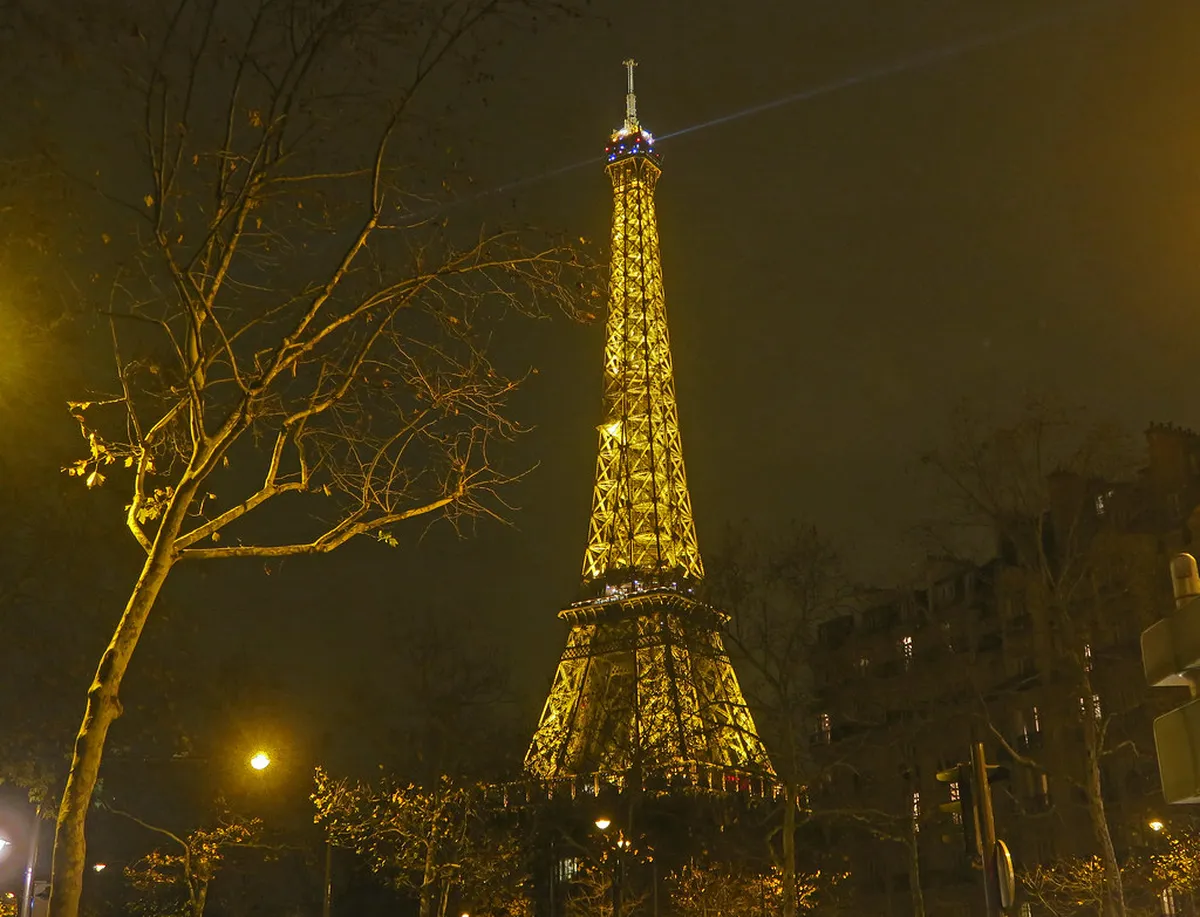
- Trocadéro gardens (free): The classic Eiffel Tower photo spot, and a spectacular view at night when the tower sparkles on the hour.
The Hack: Skip the paid observation decks entirely unless ascending the Eiffel Tower is on your bucket list. If you do go up the tower, take the stairs to the second floor (EUR 14.80 / $16 vs. EUR 36.70 / $40 for the elevator to the summit) — it is 674 steps but the view from the second floor is excellent, and you skip the elevator line that can exceed 2 hours in summer. Book your Eiffel Tower slot online 2 months in advance to avoid the walk-up ticket line.
Expected Savings: EUR 15-37 ($16-40) per person per viewpoint, or EUR 50-100+ for a couple over a full trip.
Shopping Hacks
16. Pharmacy Beauty Products, Détaxe, and Vintage Finds
Three shopping hacks that save real money in Paris:
French pharmacy products are 40-70% cheaper in Paris than abroad. Brands like La Roche-Posay, Bioderma, Avène, Nuxe, and Caudalie are premium imports in North America and Asia but everyday pharmacy staples in France. A bottle of Bioderma micellar water that costs $15-$20 in the US sells for EUR 5-7 ($5.40-7.50) at CityPharma (the famous discount pharmacy near Saint-Germain-des-Prés) or Pharmacie Monge near the Panthéon. Stock up on skincare, sunscreen, and haircare — these make excellent gifts and save money on products you would buy at home anyway.
Détaxe (tax-free shopping) is available to non-EU residents who spend EUR 100.01+ ($108+) at a single store on the same day. France's VAT is 20%, and you can reclaim approximately 12% of that at the airport. For a EUR 200 purchase, that is EUR 24 ($26) back. Most department stores (Galeries Lafayette, Le Bon Marché) and larger shops have dedicated détaxe counters that handle the paperwork immediately. Smaller shops use the Pablo electronic system — scan your détaxe form at a kiosk before security at CDG or Orly.
Vintage and flea markets offer unique finds at a fraction of boutique prices. The Marché aux Puces de Saint-Ouen (Porte de Clignancourt, Saturday-Monday) is the world's largest flea market — over 2,500 vendors across 14 sub-markets. For vintage clothing specifically, the Marais is packed with curated secondhand shops (Kilo Shop sells vintage by weight). For books, the bouquinistes along the Seine have been selling secondhand books and prints since the 16th century.
The Hack: Make a CityPharma or Pharmacie Monge run early in your trip for skincare staples. Consolidate major purchases at one store to hit the détaxe threshold. Visit Saint-Ouen on a Saturday morning before 10 AM for the best selection and least crowds. These three moves together can save hundreds, especially if you were going to buy skincare products or gifts anyway.
Expected Savings: EUR 30-100+ ($32-108+) on pharmacy products, EUR 24-60+ ($26-65+) on détaxe refunds, variable on vintage finds vs. retail.
Scam Avoidance — Protecting Your Budget
Paris scams will not just ruin your mood — they cost real money. Here are the three most common ones and how to avoid them:
The petition scam: Groups (often near the Eiffel Tower, Sacré-Coeur, and the Opéra) approach you with a clipboard asking you to sign a petition for a charity. While you are reading and signing, an accomplice picks your pocket — or you are pressured to make a "donation" of EUR 20-50 ($22-54) after signing. The response: do not stop walking, do not make eye contact, say "non" firmly, and keep moving. This scam targets every tourist who makes the mistake of engaging.
The bracelet scam: At Sacré-Coeur, men approach and tie a friendship bracelet onto your wrist, then aggressively demand EUR 10-20 ($11-22) payment. They work in groups and can be physically intimidating. The response: keep your hands in your pockets as you walk up the Sacré-Coeur steps. If someone grabs your hand, pull it back immediately and say "non" loudly. Do not feel guilty — this is a well-documented scam, not a gift.
Pickpocket hotspots: The metro Lines 1 and 4 (which serve the major tourist stops), the area around the Eiffel Tower, Sacré-Coeur, the Louvre's underground mall entrance, and crowded markets are prime pickpocket territory. They work in teams: one person creates a distraction (bumping you, asking for directions, holding up a map) while another lifts your wallet or phone.
The Hack: Use a cross-body bag with a zipper that faces your body. Keep your phone in a front pocket, never a back pocket. On the metro, hold your bag in front of you during rush hour. Be especially alert at turnstile areas where crowding creates opportunity. Paris is a very safe city overall — these are crimes of opportunity, not violence — but losing EUR 200 in cash and your credit cards to a pickpocket can wreck a day and blow your budget.
Expected Savings: EUR 20-200+ ($22-216+) in avoided losses from scams and theft.
Nightlife Hacks
Paris nightlife does not have to drain your wallet if you understand how the pricing works:
Happy hour culture is alive and well in Paris, especially in the 10th and 11th arrondissements (Oberkampf, Canal Saint-Martin, Ménilmontant). Most bars run happy hour from 17:00-20:00 with pints at EUR 5-6 ($5.40-6.50) instead of the usual EUR 8-9 ($8.65-9.70) and wine at EUR 3-5 ($3.25-5.40) instead of EUR 6-7 ($6.50-7.50). Some bars extend happy hour until 21:00 on weekdays. The trick is that happy hour in Paris is not advertised as loudly as in other cities — look for small chalkboard signs outside bars rather than neon banners.
Wine bars vs. cocktail bars: A glass of wine at a neighborhood bar à vin costs EUR 4-7 ($4.30-7.50). A cocktail at a trendy cocktail bar runs EUR 13-18 ($14-19). Over an evening of 3-4 drinks, that difference adds up to EUR 30-40 per person. Paris's wine bars offer excellent natural wine by the glass with knowledgeable staff, and many serve charcuterie and cheese plates (EUR 8-14 / $8.65-15) that double as a light dinner. Rue Oberkampf, Rue Jean-Pierre Timbaud, and the streets around Bastille are packed with wine bars that locals frequent.
Free concerts and performances happen nightly across Paris. Churches host free organ and choral concerts (Saint-Eustache, Saint-Sulpice, Notre-Dame). Jazz clubs like Le Caveau de la Huchette charge a small cover (EUR 12-15 / $13-16) but some, like Sunset/Sunside in Châtelet, have free jam sessions on certain nights. The Fête de la Musique (June 21) turns the entire city into a free open-air concert — every bar, park, and street corner has live music. Parks and public spaces host free performances regularly in summer, especially at the Parc de la Villette and along the Canal de l'Ourcq.
The Hack: Start your evening at a happy hour bar by 18:00. Move to a wine bar for your main evening drinks — order a carafe (500ml, EUR 10-14 / $10.80-15) instead of individual glasses to save another 15-20%. Check the Paris city events calendar (que-faire-a-paris.fr) and individual church websites for free concert listings. A full evening out for two people — happy hour, wine bar, free concert — runs EUR 30-50 ($32-54) total instead of EUR 80-120 ($86-130) at cocktail bars.
Expected Savings: EUR 30-70 ($32-76) per evening compared to cocktail bars and paid entertainment.
Putting It All Together: Sample Budget Day
Here is what a full day in Paris looks like when you stack these hacks:
- Morning: Coffee and croissant from a bakery (EUR 4 / $4.30). Metro to the Louvre with your Navigo pass (EUR 0 with weekly pass).
- Lunch: Jambon-beurre sandwich + pastry + drink from a boulangerie (EUR 9 / $9.70).
- Afternoon: Walk across the Seine to Musée d'Orsay (free on first Sunday, or covered by Museum Pass). Vélib' ride to the Marais (EUR 0 with day pass).
- Dinner: Market picnic from Marché des Enfants Rouges with wine (EUR 12 for two, or EUR 6 / $6.50 per person).
- Evening: Happy hour wine at a Canal Saint-Martin bar (EUR 5 / $5.40), free organ concert at Saint-Eustache.
- Daily total: approximately EUR 24-32 ($26-35) per person — including meals, transport, attractions, and nightlife.
Compare that to the typical tourist daily spend of EUR 85-140 ($92-151). Over a week, these hacks save EUR 400-750 ($432-810) per person. That is money you can put toward an incredible meal at a Bib Gourmand restaurant, a day trip to the Loire Valley, or simply another week of travel. For more strategies, check out our guides to flight hacks, hotel hacks, budget travel hacks, and airport hacks. For a wider perspective on day trips from the capital, see our Paris travel guide.
Explore More City Travel Guides
Planning a multi-city trip or comparing destinations? These guides use the same budget-hacking approach:
- London Travel Hacks — just a Eurostar ride away with free museums galore
- Barcelona Travel Hacks — menu del dia and free Gaudi exteriors
- Prague Travel Hacks — Europe's best-value capital nearby
- Our packing hacks — fitting your Paris wardrobe into a carry-on
Frequently Asked Questions
How much money do you need per day in Paris on a budget?
Using the hacks in this guide, a realistic budget for Paris in 2026 is EUR 25-50 ($27-54) per person per day covering food (bakery lunches, market dinners, one prix fixe restaurant meal), transport (Navigo weekly pass at EUR 32.40 for the week), and attractions (free museum days, Museum Pass). Add EUR 75-120 ($81-130) per night for accommodation in the 10th or 11th arrondissement. Without these hacks, the typical tourist spends EUR 140-250 ($151-270) per day including lodging.
Is the Paris Museum Pass worth buying in 2026?
The 4-day Paris Museum Pass (EUR 77 / $83) is worth it if you plan to visit Versailles plus 3-4 museums in Paris. The skip-the-line access alone justifies the cost at the Louvre and Versailles during peak season. With the Louvre now charging EUR 32 ($35) for non-EU visitors, the pass pays for itself even faster. However, if your trip includes a first Sunday (free museum day), buy individual tickets for your other museum days instead — the free day reduces the number of paid entries needed to break even on the pass.
What is the cheapest way to get from CDG Airport to central Paris in 2026?
The RER B train from CDG to central Paris costs EUR 14 ($15) and takes 35 minutes to Châtelet-Les Halles. If you have a Navigo Découverte weekly or monthly pass, the RER B is included at no additional cost — making it effectively free. Note that the RoissyBus was discontinued in March 2026, so the RER B is now the only direct public transit option from CDG. Avoid taxis (EUR 56-65 / $60-70) and private transfers (EUR 65-85 / $70-92) unless you are traveling with a large group that can split the fare.
What are the best neighborhoods for budget accommodation in Paris?
The 10th arrondissement (around Canal Saint-Martin and République) and 11th arrondissement (Bastille, Oberkampf) offer the best combination of affordable prices, excellent metro access, restaurant options, and nightlife. Hotels in these areas run EUR 75-120 ($81-130) per night in 2026, compared to EUR 180-350+ ($194-378+) in the tourist-heavy 1st, 6th, 7th, and 8th arrondissements. The 12th (near Gare de Lyon) and the east side of the 18th are also solid budget options.
How much does the Louvre cost in 2026?
Since January 2026, the Louvre uses two-tier pricing: EUR 22 ($24) for EU/EEA residents and EUR 32 ($35) for non-EU visitors. This represents a 45% price increase for international travelers from the old flat rate of EUR 22. Entry is free on the first Sunday of the month (October through March), for EU residents under 26, and for all visitors under 18. Book tickets online in advance to skip the general admission line, which can exceed 90 minutes in peak season.
How do you avoid scams and pickpockets in Paris?
Three rules cover 95% of Paris scam situations: do not stop for anyone approaching you with a clipboard or petition near tourist sites (the petition scam), keep your hands in your pockets walking up to Sacré-Coeur (the bracelet scam), and use a cross-body zippered bag on crowded metro lines (Lines 1 and 4 especially). Paris is a very safe city — these are opportunistic crimes, not violent ones — but staying alert at the Eiffel Tower, Sacré-Coeur, and in crowded metro stations protects your wallet and your trip.